South Africa grapples with electricity surplus as Ramokgopa unveils new procurement plan
Growing daytime surplus and rising curtailment are driving plans for 4,600MW of battery storage and 5,000MW of gas-to-power capacity
South Africa is now producing more electricity than it needs at certain times of the day, prompting government to prioritise battery storage and flexible gas-to-power capacity in its latest electricity procurement programme.
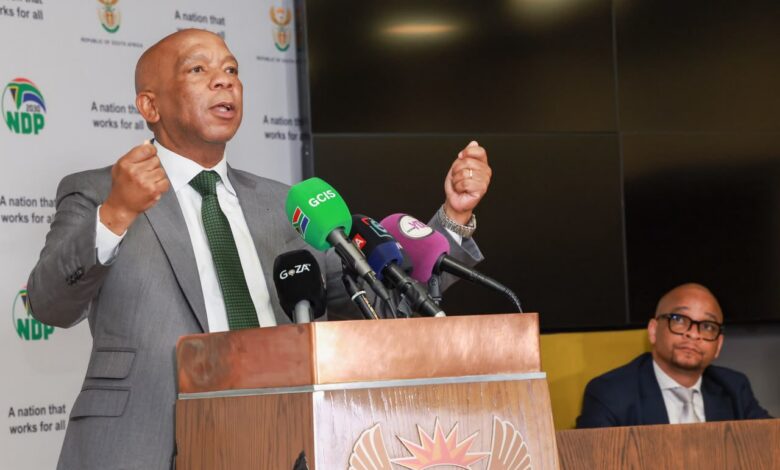
Minister of Electricity and Energy Dr Kgosientsho Ramokgopa said the country is experiencing an average daytime surplus of more than 4,000MW, with available generation increasingly being curtailed because the electricity system cannot accommodate all the power being produced.
“We are sitting with surplus electricity on the system. And that itself represents a major risk to the system. So, essentially we are losing electricity. We are throwing electricity away, and that’s money,” Ramokgopa said during the announcement of the procurement programme on October 7.
The development is great for South Africa’s electricity system, which for years was characterised by supply shortages, resulting in loadshedding. Improved generation availability, together with increasing private-sector renewable generation, has changed the supply-demand balance, particularly during periods of strong solar production.

The resulting curtailment means electricity that could otherwise be used by households, businesses and energy-intensive industries is not always able to reach the grid.
In response, government has announced its first major electricity procurement intervention under the Integrated Resource Plan 2025, with a total of 9,600MW to be procured through battery energy storage and gas-to-power.
The programme comprises 4,600MW of battery energy storage systems and 5,000MW of gas-to-power capacity over the 2026–2037 planning horizon.
Battery storage is intended to absorb excess electricity during periods of surplus and release it when demand increases, helping to reduce renewable-energy curtailment while improving the flexibility of the grid.
Gas-to-power, meanwhile, will provide dispatchable generation that can be brought online when renewable output falls or demand rises.
No new wind or solar capacity will form part of this first Section 34 determination. Government plans to address additional wind and solar procurement, including hybrid projects paired with storage, through a subsequent determination.