Grootvlei power station offers a glimpse into South Africa’s Just Energy Transition
Eskom’s Grootvlei Power Station is being positioned as a pilot for repurposing coal-fired power stations while creating new economic opportunities in Mpumalanga
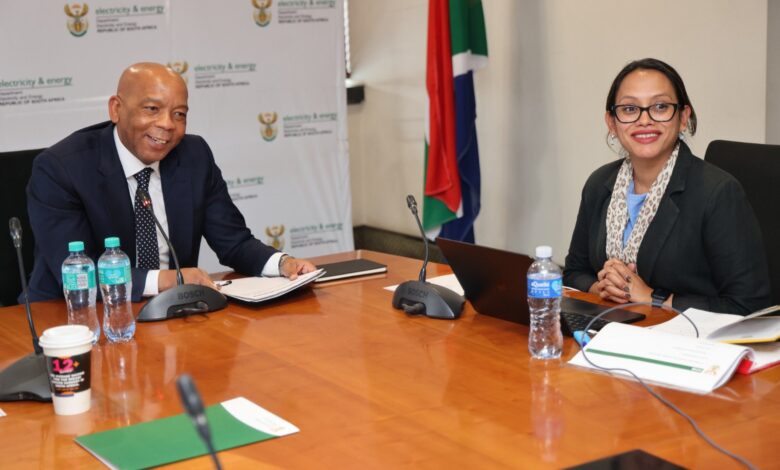
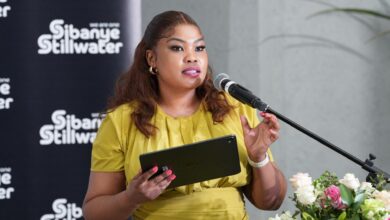
On Wednesday, August 19, Deputy Minister of Electricity and Energy Alexandra Abrahams met with the management of Eskom’s Grootvlei Power Station in Mpumalanga.
Abrahams said the visit was significant as Grootvlei is being used as a pilot study for how South Africa can repurpose coal-fired power stations as part of the country’s Just Energy Transition.
She said she wanted to see the work taking place at the power station first-hand and understand how the site could be transformed beyond its traditional role in coal-based electricity generation.
“The vision is to repower using low-carbon energy generation via the CFBC technology and to repurpose projects which range from battery manufacturing, ash beneficiation, biogas and other aspects of the circular economy to name but a few projects,” Abrahams said.

While several of the proposed projects remain at the conceptual stage and are undergoing socio-economic impact, feasibility and environmental studies, Abrahams said some initiatives have already been implemented at Grootvlei.
One example is the Grootvlei Climate Smart Horticulture Centre, which has been operating since January this year.
The centre uses hydroponic farming methods, with Eskom growing crops as part of an initiative aimed at exploring new economic activities around the power station.
“This is just yet another example of partnerships. Eskom and the Netherlands government and how through partnerships, we can get the local economies working and, most importantly, local people working,” Abrahams said.
The developments at Grootvlei point to one of the key principles of South Africa’s Just Energy Transition: ensuring that the move towards cleaner energy does not leave coal-dependent communities behind.
For Mpumalanga, where many communities and businesses have historically depended on coal mining and coal-fired power generation, repurposing existing power-station sites could create opportunities for new industries while supporting local employment.
Projects involving renewable and low-carbon energy, battery manufacturing, agriculture, ash beneficiation and other elements of the circular economy could allow communities to benefit from economic activity even as the country gradually reduces its reliance on coal.
The Grootvlei approach also demonstrates that the Just Energy Transition is not only about replacing one source of electricity with another. It is about finding productive uses for existing infrastructure, developing new industries and creating opportunities for workers and communities affected by the transition.
If successfully implemented, projects such as those being explored at Grootvlei could provide a model for other coal-fired power stations across South Africa, helping the country pursue lower-carbon energy while protecting livelihoods and supporting local economies.