DRC, Zambia advance $300m Copperbelt power interconnector
The 200km project will provide up to 550MW of electricity to the DRC’s mining sector while creating new power export opportunities for Zambia
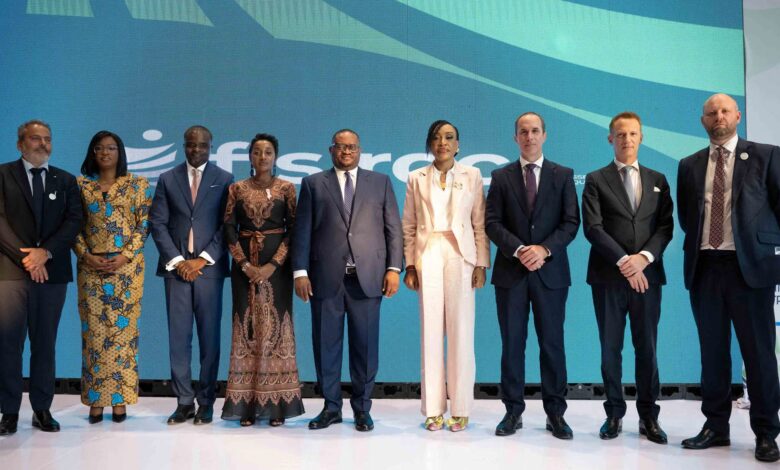
The Strategic Investment Fund of the Democratic Republic of the Congo (FIS-RDC), together with Enterprise Power DRC SARL, Trafigura and Gridworks Development Partners, have signed a Strategic Framework Agreement to jointly finance, build and operate a 200km high-voltage power line connecting Kalumbila in Zambia with Kolwezi in the Democratic Republic of the Congo (DRC).
The Kalumbila–Kolwezi Interconnector Project (KKIP) will strengthen the DRC’s connection to the Southern African Power Pool (SAPP), the regional electricity market that connects national grids and enables countries to trade power across borders.
The project has reached the final stage of development, with all necessary concessions, licences and authorisations secured. Construction is estimated to cost $300 million.
“KKIP will deliver benefits on both sides of the border: a new source of reliable, affordable power for the DRC’s mining and industrial sectors, and new export capacity and transmission opportunities for Zambian power producers. The line will have a thermal capacity of 700MW, enabling up to 550MW of competitively priced electricity to be imported into the Copperbelt mining region of the DRC. The line design allows for a future capacity increase to over 1GW,” the partners said in a statement.
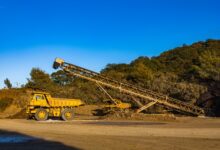
The project is expected to help address the DRC’s structural energy deficit of more than 1GW by supplying electricity from across Southern Africa to the country’s mining and industrial sectors.
In particular, the additional power could enable mining and refining projects currently on hold due to a lack of available and cost-effective baseload electricity to proceed. Increased mining and refining output is expected to generate greater fiscal contributions for the DRC, while improved access to reliable and affordable electricity could support local businesses, enterprise development, job creation and broader economic diversification.
In Zambia, KKIP will create export opportunities for power producers and provide additional transmission capacity for licensed operators, while supporting the development of new generation capacity.
The participation of FIS-RDC, alongside Gridworks and Trafigura, is also expected to strengthen cooperation between the DRC and Zambia and provide a platform for longer-term investment. Discussions are already underway with Zambian entities regarding potential co-investment in the project.
“KKIP is the Fund’s inaugural transaction, and it reflects precisely the mandate entrusted to us by the Government. By helping close the Copperbelt’s power deficit, the project will unlock industrial growth, skilled jobs and fiscal revenue for the DRC. By backing a project led by a private Congolese developer, FIS-RDC is demonstrating that sovereign capital can act as a catalyst for private investment rather than a substitute for it. And by co-investing alongside credible and experienced partners such as Gridworks, we are building the track record that will allow the Fund to mobilise further capital for the country’s strategic infrastructure,” said Emile Osumba, CEO of FIS-RDC.