Dangote targets African industrialisation with $16bn Kenya refinery
Aliko Dangote outlines plans for a $16 billion Lamu refinery, backed by a broader push to expand power generation, process Africa’s mineral resources locally and create jobs across the continent
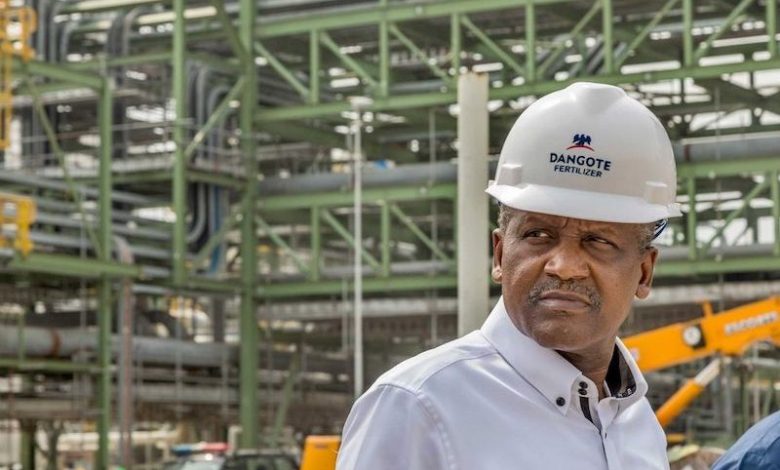
Africa’s richest man, Aliko Dangote, is expanding his industrial ambitions into East Africa with plans for a $16 billion refinery in Lamu, Kenya, following the establishment of his refinery in Lagos, Nigeria.
Speaking on the BBC’s Africa Enterprise show, Dangote outlined his plans for the proposed refinery, defended his approach to fuel pricing and set out a broader vision for Africa’s industrial development, including investment in power generation and local processing of the continent’s mineral resources.
“Nobody wants Africa to develop, that’s why we Africans will develop Africa. Whether they like it or not, we are moving. It’s a moving train. Whether you join it or you’ll be crushed along the way,” Dangote said.
Addressing concerns about protests over land in Lamu and whether the proposed refinery would deliver benefits to East African consumers, Dangote said he expected the project to be operational before 2030.
“We will run this refinery before 2030,” he said, arguing that the project would create significant employment opportunities during construction and beyond.
Dangote highlighted the scale of employment at his Lagos refinery to illustrate the potential economic benefits of large-scale industrial projects.
“When we are talking about this at the height of construction, you have 60,000 people working there at the refinery. Are we going to bring robots? Of course, the people will benefit,” he said.
Responding to questions about rising fuel prices in Nigeria despite the refinery’s operations, Dangote disputed the suggestion that prices had failed to become more competitive.
“When you check the prices of petroleum products in Nigeria, they are actually the cheapest compared to all our neighbours by 25%,” he said.
He explained that the refinery buys crude oil and sells petroleum products at market-related prices, while absorbing certain costs to support the domestic market. As an example, he cited the delivery of petroleum products across Nigeria without a delivery charge, describing it as a substantial daily cost borne by the business.
Beyond refining, Dangote identified inadequate electricity supply as a major obstacle to industrial development and the local beneficiation of Africa’s mineral resources.
Using Zambia’s copper industry as an example, he questioned why more processing could not take place on the continent rather than exporting raw materials for beneficiation elsewhere.
“When you go to Zambia today, they would tell you, ‘No, we have to take the copper and process it there.’ Why can’t you do it here? Because of what? Power,” he said.
Dangote said his investment plans include expanding electricity generation capacity to support industrial activity across Africa.
“Between now and 2030 it’s 10,000 megawatts. Can we do 20,000? Yes. I can guarantee you here if there is a demand, we can sign agreements with various governments, we’ll do extra power,” he said.
He added that the group was planning additional power generation in Lamu, saying the availability of electricity would make it easier for businesses to establish industrial operations in the area.
“So, today it means that if you want to go and do industry in Lamu, you don’t need to be scratching your head about where are you going to get the power. The power is there, what you need to do is call, plug and play,” Dangote said.
Dangote said his broader industrial strategy was aimed at changing the pattern of exporting raw materials while importing finished products, a model he believes limits employment creation and economic development.