Tanzanian tycoon eyes stake in proposed East African refinery as regional energy infrastructure gains momentum
Dewji's interest in Dangote's proposed East African refinery highlights growing private investment in energy infrastructure to support industrialisation and mining
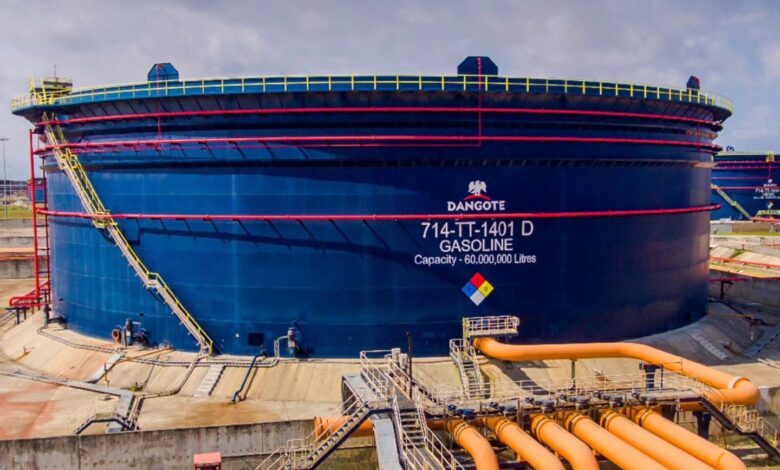
As African countries push to strengthen industrialisation and build the infrastructure needed to support value addition, major private sector investments in refining and energy logistics are attracting growing attention across the continent.
Tanzanian billionaire Mohammed Dewji has expressed interest in investing US$100 million in a proposed US$17 billion crude oil refinery that Nigerian industrialist Aliko Dangote is planning for East Africa, according to Bloomberg.
The proposed project forms part of Dangote’s broader ambition to replicate the success of his 650,000-barrel-per-day refinery in Nigeria by developing additional refining capacity elsewhere on the continent.
Bloomberg reports that Kenya has emerged as the preferred location for the new refinery after being selected ahead of Tanzania. Dangote reportedly favoured the coastal town of Lamu for what he described as “commercial and technical” reasons, citing its strategic location for large-scale energy infrastructure and logistics.
Despite the decision, Dewji indicated that he would still prefer to see the refinery developed in Tanzania, while reiterating his interest in participating in the project regardless of its final location.
The Tanzanian businessman said he intends to engage directly with Dangote as discussions around potential investment partners continue.
The proposed refinery comes at a time when African governments are increasingly seeking to expand domestic refining capacity to reduce reliance on imported petroleum products, strengthen regional fuel security and improve value addition within the continent.
If realised, the East African refinery would represent one of the continent’s largest energy infrastructure investments and could play a significant role in reshaping fuel supply chains across the region.