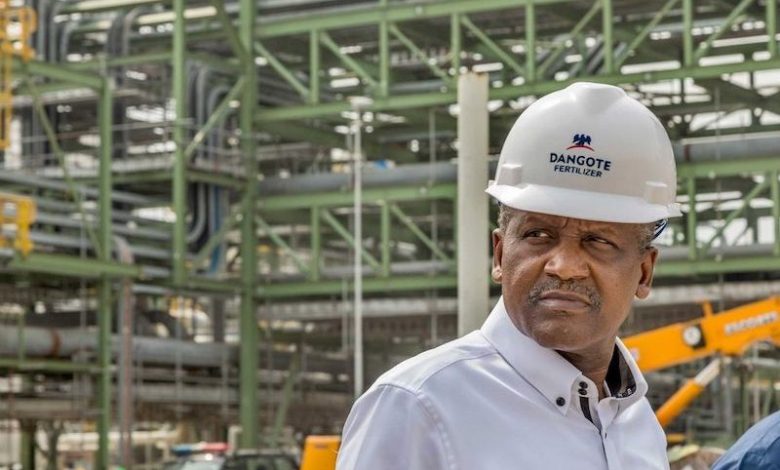
Despite being Africa’s largest oil producer, Nigeria remains shackled by chronic shortages of electricity and fuel. In the face of this paradox, Aliko Dangote, Africa’s richest man, has embarked on a mission to transform the nation’s energy landscape. His journey began with strategic investments in Nigeria after divesting from his international properties, motivated by a deep desire to confront the challenges that have beset his homeland.
In a recent episode of the In Good Company podcast hosted by Nicolai Tangen, Dangote reflected on how the shortages of essential resources in countries like Zambia inspired him to focus on bolstering his country’s industrial capacity. “Nigeria, even on Christmas Day, still struggles with fuel. I decided I was going to build a refinery, the biggest ever in the world, costing more than $20 billion,” he shared, outlining the vision behind his most ambitious project yet, the Dangote Refinery.
Launched in 2013, the refinery project has illuminated the deep infrastructural deficiencies within Nigeria. With no suitable port available to support operations, Dangote undertook the colossal task of constructing one himself, complete with harbours, roads, water reservoirs, and various facilities typically the responsibility of the government. At its peak, the ambitious project employed an impressive 67,000 people, spotlighting its vast economic impact.
Now situated in Lekki, Nigeria, the Dangote Refinery began its phased opening in May 2023, initially rolling out an impressive capacity of 650,000 barrels per day (bpd). Following a successful production launch of petrol in September 2024, it reached full operational capacity in February 2026. In a commitment to Nigeria’s energy independence, plans are already in place to double output to 1.4 million bpd by 2028, a move poised to redefine the energy landscape not just in Nigeria, but throughout Africa.
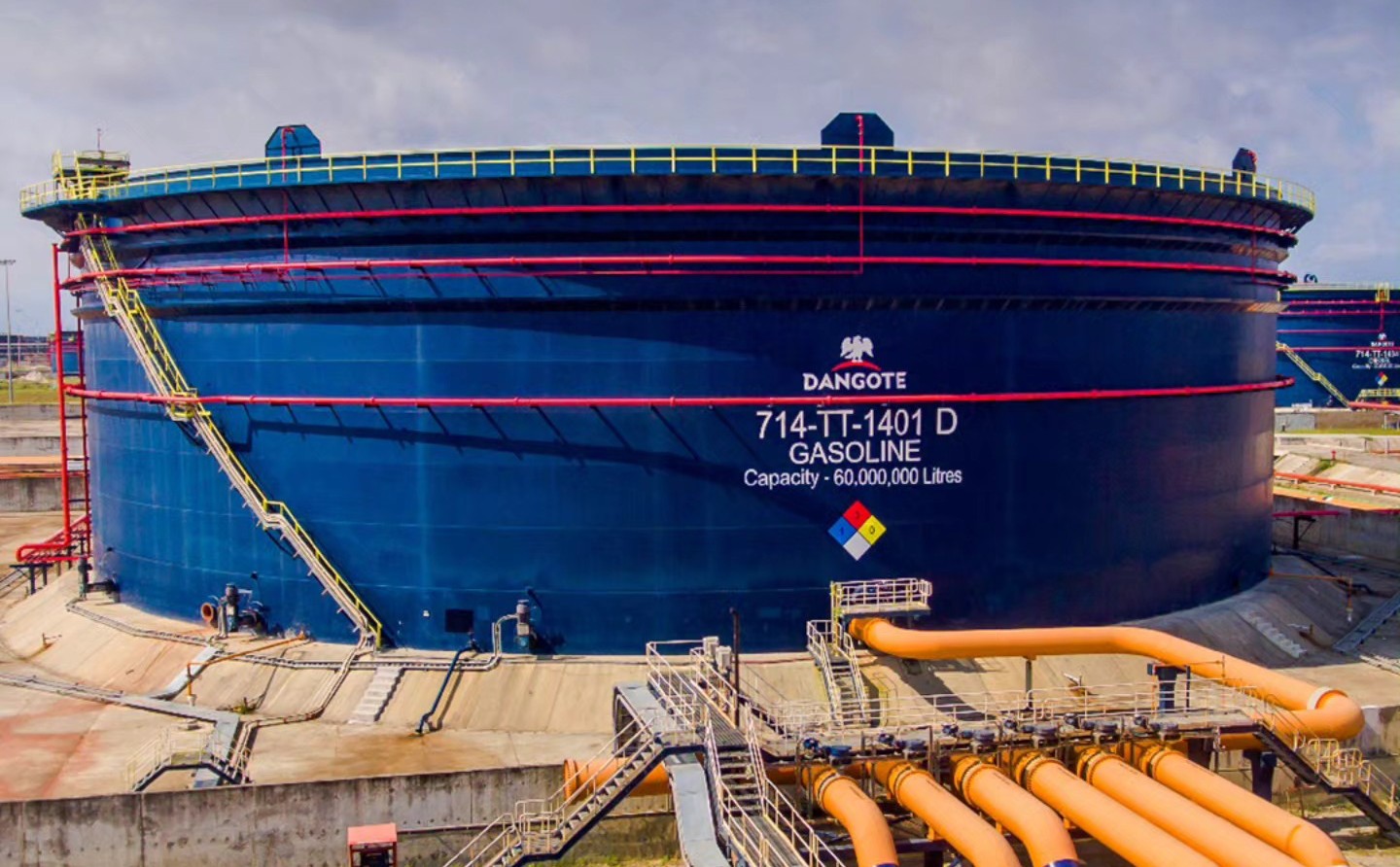
When discussing sourcing crude oil, Dangote confirmed, “We source about 56% from Nigeria, and the rest from Angola, Libya, and the US. At one point, we were importing seven to eight cargoes of WTI from the US. Now we buy around 21 cargoes every month. That’s how big we are.” This ambitious expansion signals not only Dangote’s personal investment but a strategic initiative to enhance Africa’s refining capabilities.
As global instability in the Middle East rises and demands for critical minerals escalate, Africa faces mounting pressure to develop resilient infrastructures. Dangote’s vision extends beyond Nigeria; he is actively eyeing potential refinery projects in countries like Tanzania, Uganda, and Kenya, striving for a pan-African approach to boost local economies and self-sufficiency.
Moreover, Dangote is delving into Liquefied Natural Gas (LNG) development as part of his broader strategy in Nigeria. “We’re doing a gas infrastructure to remove all the gas that is flaring in the southern and eastern parts, bringing it to the west where we are setting off an LNG plant about 12 million tons,” he said.
This robust approach exemplifies Dangote’s commitment not merely to business growth but to igniting a transformational change in Nigeria’s energy consumption and production. With the Dangote Refinery, the narrative of energy scarcity may soon become a chapter of Nigeria’s past.