In a striking juxtaposition, while Nigeria recently inaugurated the world’s largest refinery and is ambitiously planning further expansion across Africa, South Africa is grappling with the stark decline of its refinery capacity. The contrast in fortunes raises pressing questions about the future of South Africa’s energy security and economic stability, especially in light of ongoing fuel price surges attributed to international tensions.
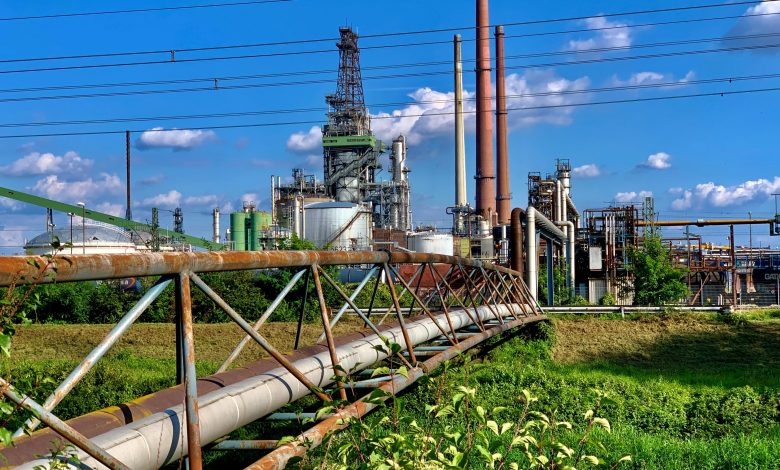
According to Top Auto, South Africa’s refining landscape is alarmingly limited, with only three operational refineries remaining: Astron Energy in Cape Town, and Sasol’s Natref and Secunda hubs. These three facilities currently produce a combined total of approximately 350,000 barrels per day. However, this output could see a potential upswing if other refineries were restored, particularly the Sapref facility in Durban.
Once celebrated as the largest refinery in South Africa, Sapref had an impressive production capacity of over 180,000 barrels per day, accounting for approximately 35% of the nation’s total refinery output. Unfortunately, operations at Sapref ceased in 2022 when its owners, BP and Shell, withdrew from the facility. This shutdown represents a significant loss for South Africa’s energy sector.
The permanent closure of Engen’s refinery in Durban made the situation worse, as it boasted a capacity of 135,000 barrels per day. Following a catastrophic fire, Engen opted to convert the ageing refinery into a fuel storage and import terminal, citing financial and operational challenges as the driving factors behind this decision.

To address the high fuel prices, Gavin Kelly, CEO of the Road Freight Association, has called for a strategic shift towards increased biofuel production in the country.“South Africa is blessed with rich agricultural lands ideal for growing crops like sugar cane, inputs that could fuel a burgeoning biofuels market. With the sugar cane industry in crisis, we have a unique opportunity to pivot towards biofuel production, which could create jobs and stabilise fuel prices,” he stated.
Another option could be leveraging existing infrastructure, suggesting that retrofitting current refineries could be the key to rejuvenating South Africa’s petroleum sector. “With oil discoveries in neighbouring countries like Namibia and Ghana, it’s time for South Africa to explore its own oil reserves, which may have previously been considered unviable,” Kelly said.
As South Africa evaluates its energy policies and infrastructure, the urgent need to revitalise its refining capacity becomes increasingly critical. The country’s future may depend on its ability to innovate and adapt in a rapidly changing global energy landscape.