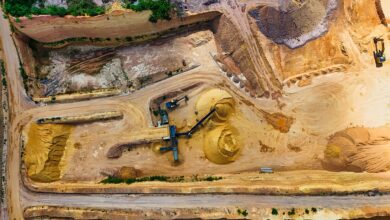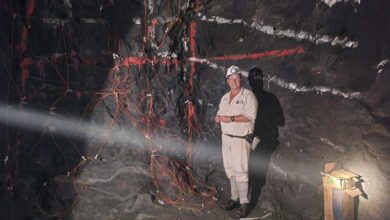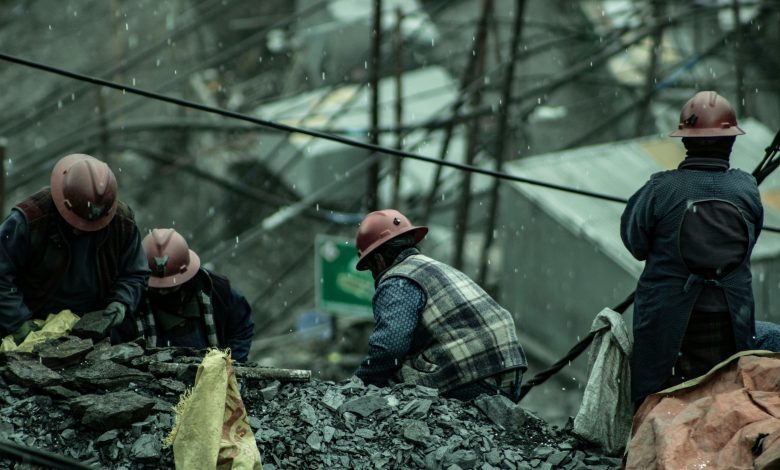
Illegal mining remains a major concern across Africa, with countries such as South Africa, Mozambique, and Cameroon grappling with a surge in unregulated and often hazardous extraction activities. The consequences are dire, affecting local economies, public health, and the environment.
In Cameroon, the situation has escalated to a crisis point, prompting drastic measures from government officials. Fuh Calistus Gentry, the Acting Minister of Mines, Industry and Technological Development, has mandated the immediate closure of operations by unlicensed miners and those breaching regulations. This includes the dismantling of gold-bearing gravel processing units and related facilities. Such actions are a response to a rampant increase in illegal mining, particularly in the mineral-rich eastern and Adamawa regions, which are crucial to the livelihoods of nearby communities.
Business Insider reports that official statistics highlight the severity of the problem: Cameroon reported a mere 22.3kg of gold exports in 2023, yet the United Arab Emirates, a major destination for gold, indicated an import of over 15 tonnes of Cameroonian gold, an alarming disparity that underscores the extent of illegal mining.
Meanwhile, Mozambique faces its own challenges. The Parliamentary Commission of Inquiry (CPI), established last December, has called for an immediate and complete shutdown of all illegal mining operations in the central province of Manica. Concerns have escalated following findings from the General Inspectorate of Mineral Resources and Energy (IGREME), which revealed that mining activities are contaminating vital drinking water sources, including the Revue River and the Chicamba reservoir, leading to severe public health crises.
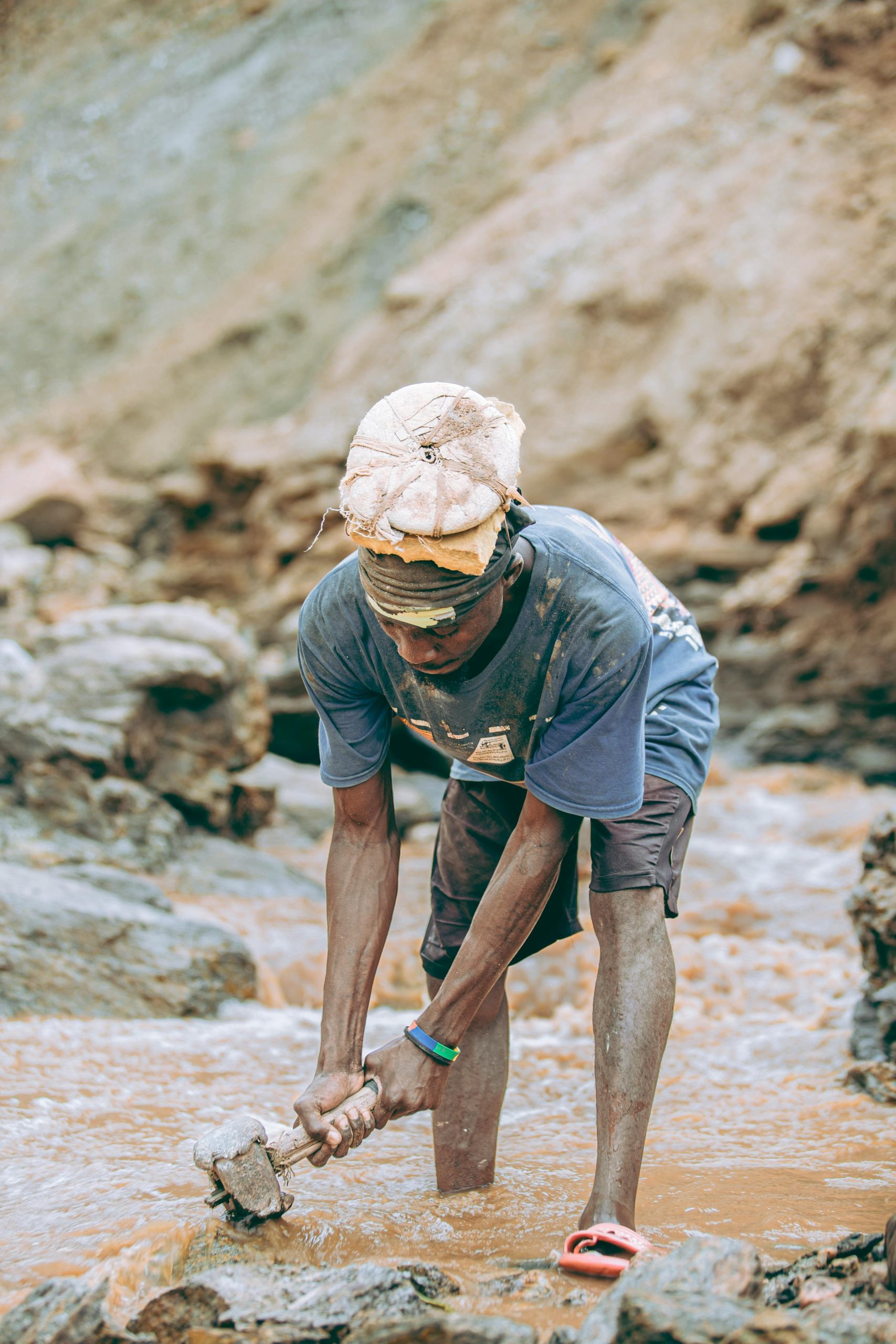
The primary culprit behind this environmental degradation is the toxic use of mercury in gold washing. Despite known health risks, mining operations have shown little initiative to curb mercury usage. Tests of local waterways have detected not only mercury but also a cocktail of other hazardous heavy metals, including lead, cadmium, and arsenic, substances that pose grave health threats to communities relying on these water sources.
Adding to the woes, inspections led by the Defence Minister’s Operational Command have revealed that numerous licensed companies were operating without necessary environmental restoration plans or proper waste containment measures. Furthermore, evidence points to a troubling trend of abandoned mining equipment, improper labour practices, and violations of workers’ rights.
This ongoing crisis in Mozambique starkly highlights the problem of Environmental, Social, and Governance (ESG) compliance in mining companies. Such negligence not only exacerbates health risks for local communities but also threatens to deter potential investors disenchanted by hazardous practices.
The repercussions of illegal mining extend far beyond individual nations; they resonate across African borders, tarnishing the continent’s reputation and authenticity in the global minerals market. With urgent regulatory actions underway in countries like Cameroon and Mozambique, the hope remains that more robust measures will be implemented to combat this burgeoning crisis.