Optimising ash management for safer, sustainable boiler operations
AES highlights the importance of effective ash handling, disposal, and recycling in South Africa’s energy sector
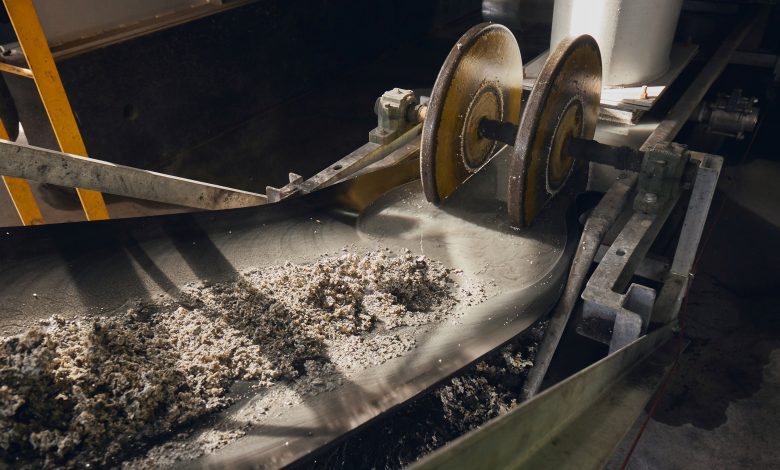
Effective ash management is a cornerstone of safe, efficient, and sustainable boiler operations, according to Associated Energy Services (AES) Commercial Director Dennis Williams. In South Africa, ash handling systems range from advanced overhead hoppers and wet conveyors to manual trolley-based solutions, with AES tailoring approaches to client needs while ensuring compliance with environmental and safety standards.
Solid fuel sources
Coal remains the most common solid fuel, though its composition varies by seam and geography, influencing combustion and ash recovery. Biomass, by contrast, produces far less ash, reducing system demands. The choice of ash management solution depends on plant size, boiler location, and client preferences.
Ash handling systems
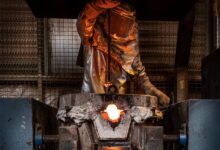
Large plants often use submerged wet conveyors, where ash is discharged into water to form a seal preventing air ingress. The ash is then transported to skips or hoppers for disposal. Modern biomass boilers also adopt wet ash systems, reducing dust and improving site cleanliness. Manual removal persists in older systems but is less efficient and more hazardous.

Ash classifications
Ash is broadly divided into bottom ash and fly ash. Bottom ash is coarse, sometimes forming clinkers, while fly ash consists of fine particles carried into the flue gas stream, captured by filters or precipitators. AES emphasises minimising unburnt carbon, as it represents wasted energy. Regular inspections are vital to prevent ash build-up that can damage boiler components.
Water management
Submerged conveyors require careful water temperature control to protect rubber belts. Run-off water from ash storage must be treated, with settling traps and effluent systems preventing contamination. Neglecting water management risks equipment failure and environmental harm.
Legislation and sustainability
Under South Africa’s National Environmental Management Act, ash is classified as waste and must be tested every five years. While most ash qualifies for landfill disposal, AES ensures PPE use to protect workers. The law also allows ash declassification for recycling, enabling reuse in concrete, bricks, or biomass-based fertilisers. However, transport costs often limit viability.
Enterprise development
AES leverages ash disposal to support entrepreneurs and offset client costs. By integrating logistics for nearby facilities, AES creates competitive, sustainable solutions that balance operational efficiency with environmental responsibility.
In Williams’ words, ash management is not just about disposal, it is about optimising safety, efficiency, and sustainability across the energy value chain