The women taking charge of the metal & engineering sector
SEIFSA’s 2025 Businesswoman of the Year finalists prove that resilience, emotional intelligence, and adaptability are reshaping the industry
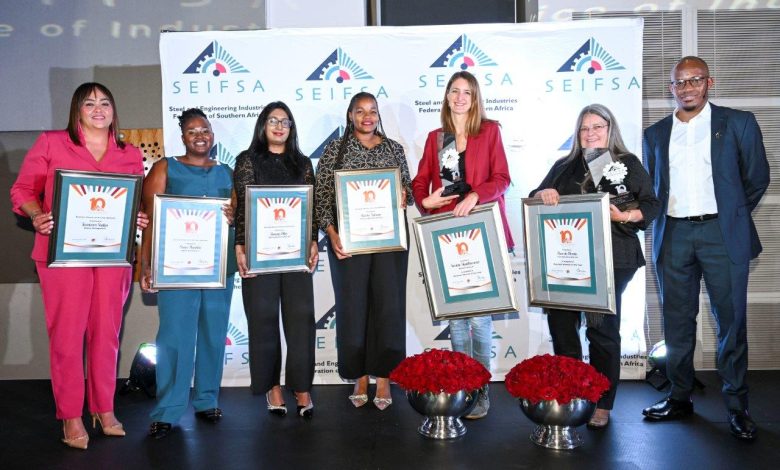
If anything unites the finalists of SEIFSA’s 2025 Businesswoman of the Year Award, it’s their resilience, high EQ and their willingness to learn from mistakes.
The women, Nicolette Skjoldhammer, Chief Executive Officer of Betterect; Pam du Plessis, Chief Executive Officer of Invincible Valves; Moore Montsha, Senior Manager at Eskom Holdings SOC Limited; Tazneem Sadan, Director of RiseUp Management; Shocky Seloane, Managing Director of Tembo Engineering Services; and Pulane Tshabalala Kingston, Executive Manager of Voestalpine VAE, were chosen because they have redefined what leadership means in manufacturing.
The traditionally male-dominated industry needs leaders who can lead while also having superior people skills.
Tazneem Sadan, Director of RiseUp Management, who works in the Temporary Employment Services space (labour broking), believes the sector demands specific skills. Qualities like integrity, accountability and communication are universal, but leaders in the metal and engineering sector need specialised skills, she says.

Some of the qualities she lists include:
- Understanding of labour legislation;
- Strong health and safety oversight;
- Client-centric delivery; and
- Agility and the ability to solve problems under pressure.
Setting the tone for the organisation is a crucial aspect of leadership. “I believe a good leader exemplifies integrity, empathy, and resilience. I strive to lead by example, actively listening to my team, fostering open communication and encouraging diverse perspectives,” says Moore Montsha, Senior Manager at Eskom Holdings SOC Limited.
Sadan understands the importance of not letting the high-pressure environment beat her.
“It’s not only about guiding people, but it’s also about driving performance, ensuring compliance and maintaining stability in a high-pressure, regulated environment as well as alleviating people problems.
Education is the byproduct of not giving up, as each challenge is dealt with head-on and lessons are learned from all mistakes.
“Embracing failure as an opportunity for growth has strengthened my decision-making and resilience, especially in male-dominated environments where women leaders often face added scrutiny,” says Montsha.
No matter where and how leaders are learning, their dedication to the process provides a powerful example.
“Mistakes have taught me the importance of humility and accountability in leadership. Recognising and acknowledging errors, whether my own or those I observe, creates an environment where learning is prioritised over blame,” says Montsha.
Ultimately, leaders have to recognise they are role models and their attitudes and behaviours will have the most far-reaching effect on their team.