Optimising Tailings Management: Why Cyclone Technology Is Critical for Safer, Sustainable Mining
Advanced cyclone design is helping mines improve TSF stability, boost water recovery, and meet stricter global tailings standards
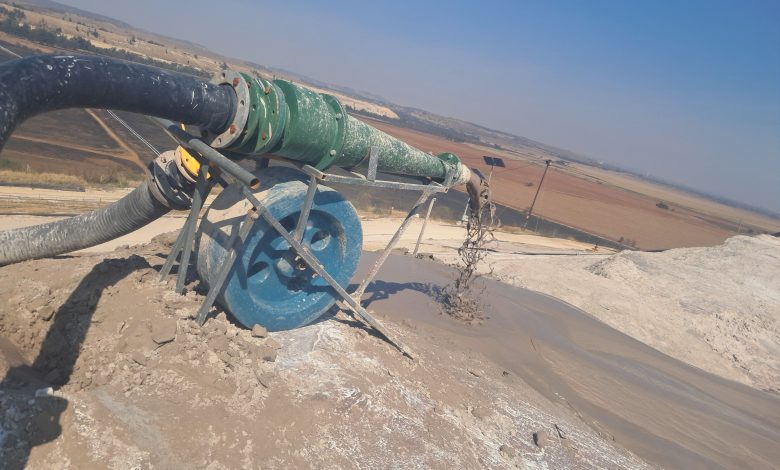
Tailings management is one of the mining industry’s most pressing challenges, particularly as global standards increasingly require safer and more sustainable practices. With the rising demand for minerals and metals, mining operations face mounting pressure to increase throughput, control costs, and minimise their environmental impact, all while managing their Tailings Storage Facilities (TSFs) responsibly. A critical but often overlooked technology in meeting these demands is the cyclone.
Mining companies bear a long-term responsibility for managing tailings, which are the waste materials left after the extraction of minerals from active operations, continuing through to closure and beyond. Poorly managed TSFs can lead to catastrophic failures, environmental damage, and safety risks for human health. Therefore, effective TSF management demands strong engineering practices, informed decision-making, and appropriate technologies. Among these, cyclone selection plays a pivotal role.
Contrary to common belief, tailings deposition is a highly complex process. Cyclones serve not only as classification tools but also significantly influence the efficiency of deposition, the structural stability of TSFs, and water recovery when correctly specified and applied. Selecting the right cyclone can transform tailings management from a cost burden into a driver of sustainability and operational excellence.
However, cyclone selection is not a one-size-fits-all solution. Each TSF has unique characteristics that require tailored solutions based on multiple factors. Durability is a vital consideration, as cyclones must withstand harsh operating environments, abrasive materials, and pressure fluctuations. Modern cyclone designs, such as those with steel shells and rubber linings, offer enhanced longevity while reducing maintenance needs and downtime.
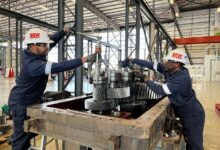
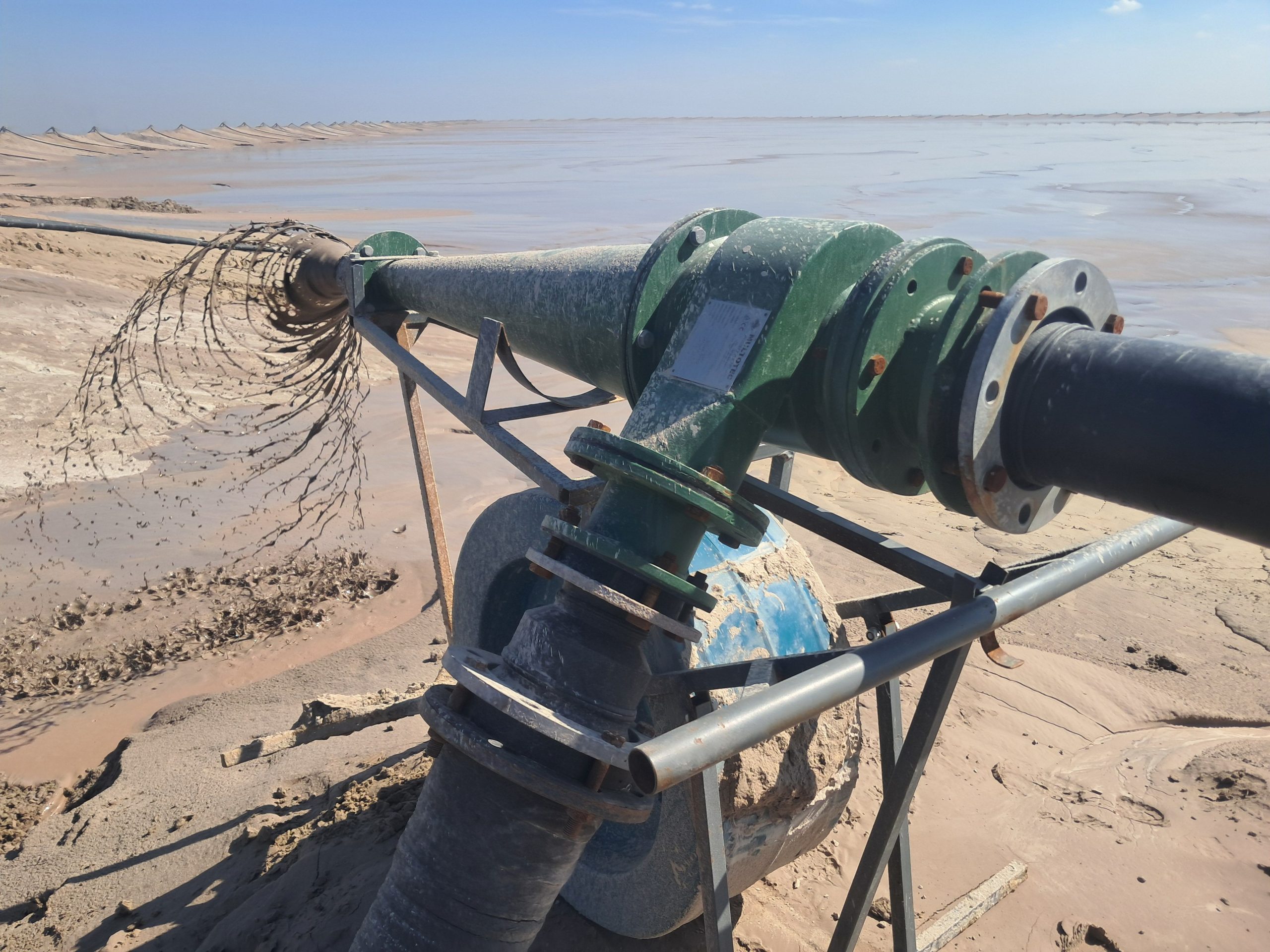
Ease of handling is another important factor, particularly in TSF environments where cyclones are often manoeuvred manually. Lightweight designs enable faster installation, easier relocation, and reduced labour requirements. Innovations like quick-release spigot systems simplify maintenance, allowing for the efficient replacement of worn components and the maintenance of optimal underflow density and structural integrity.
Flexibility in cyclone configuration is equally important. The ability to adjust components such as cone angles, spigots, and vortex finders allows operators to adapt to varying material characteristics and evolving operational demands throughout the life of a TSF. This adaptability ensures that equipment remains effective as conditions change.
The design of a cyclone also significantly influences process efficiency. Optimised geometries help achieve the right balance between overflow and underflow, which supports stable wall construction and efficient tailings deposition. By directing coarser materials to the walls and finer materials to central areas, cyclones enhance drainage and improve water recovery, a critical consideration in water-scarce regions.
Environmental performance is closely connected to these efficiencies. Improved water recovery decreases reliance on fresh water, while more effective tailings drying and deposition contribute to safer, more stable TSFs. As ore grades decline and finer grinding becomes more common, modern cyclone designs can help compensate for the reduced availability of coarse material needed for dam wall construction.
Effective tailings management also relies on collaboration among equipment suppliers, mine operators, and contractors. Accurate sampling and on-site testing are crucial for ensuring correct cyclone selection and ongoing optimisation. Continuous monitoring and refinement of cyclone performance can enhance throughput, reduce costs, and improve long-term operational efficiency.
Ultimately, cyclones have become key enablers of responsible tailings management. By supporting safer deposition practices, enhancing water recovery, and minimising environmental risks, they help mining operations align with global standards such as the Global Industry Standard on Tailings Management. While strong governance and engineering practices remain essential, the right cyclone technology provides a practical and powerful tool for achieving safer and more sustainable mining outcomes.