Ghana’s strict mining lease policy heightens tensions with Gold Fields
Tensions rise between Ghana and Gold Fields as mining lease policies tighten to prioritise local ownership over foreign investment
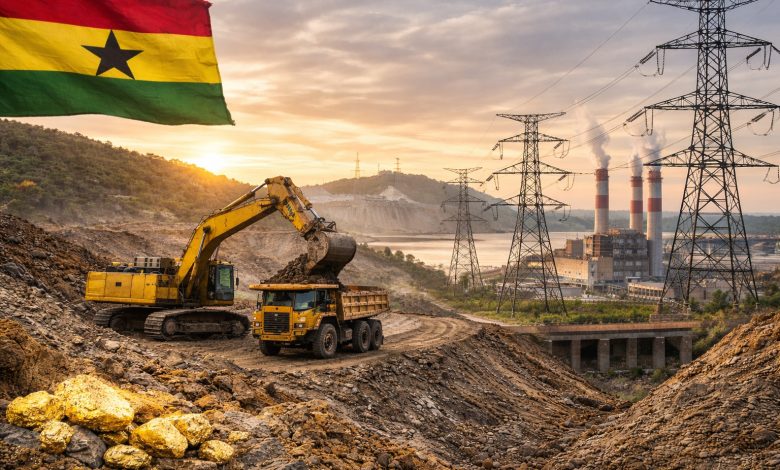
The relationship between Ghana and South Africa’s Gold Fields continues to deteriorate as the Ghanaian government implements strict measures concerning its mining lease policies. This shift in policy marks a significant turning point for the mining sector, particularly affecting foreign companies operating in Ghana, with Gold Fields’ operations at the heart of the controversy.
According to Reuters, Ghana has announced a decisive change in its approach to granting mining leases, stating it will no longer automatically extend them. This decision is particularly pertinent for Gold Fields, as the lease for its Tarkwa mine is set to expire in 2027. As a cornerstone asset, Tarkwa mine is vital for Gold Fields, having produced approximately 427,000 ounces of gold in 2025, valued at an estimated $1 billion.
Ghana’s Minerals Commission Chief Executive, Isaac Andrews Tandoh, emphasised the government’s intention to foster sustainable mining practices, stating, “It won’t be business as usual where we just automatically renew the lease.” For companies seeking lease renewals, Ghana will require demonstrable commitments to local value creation, technology transfer, and community development. This shift indicates a growing trend towards local ownership and responsibility in the mining sector.
The government’s local ownership initiative is not new. Earlier in April, Ghana announced it would not renew Gold Fields’ lease for the Damang mine, which it had leased to Gold Fields for two decades. Instead, the lease was awarded to Engineers & Planners, a Ghanaian-owned mining company led by Ibrahim Mahama, signalling a clear direction toward supporting local entities.
The situation has escalated further, with Engineers & Planners filing a staggering $740 million lawsuit against Gold Fields. The lawsuit seeks damages tied to both the Tarkwa and Damang mines, with claims of $474.9 million attributed to the Tarkwa mine and $264.7 million linked to Damang. This legal action adds another layer of complexity to an already strained relationship between the Ghanaian government and Gold Fields.
As 2027 approaches, the focus will undoubtedly intensify on how foreign mining companies like Gold Fields navigate Ghana’s new landscape. With local ownership increasingly prioritised, it remains to be seen how this shift will affect the mining sector’s future in the West African nation.