Madagascar’s mining freeze ends amid global critical mineral demand
Youth-led protests and political upheaval open the door for Madagascar’s mineral wealth, but governance challenges remain
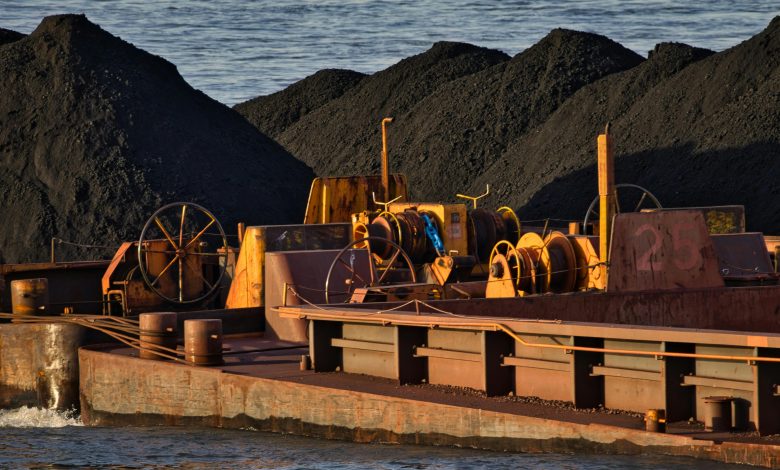
Madagascar has entered a new chapter in its mining history with the lifting of a 16-year freeze on new permits, a move that could reshape its role in the global critical minerals market. The decision, announced in January 2026 under a military-led government, unlocks access to graphite, nickel, cobalt, rare earths, mineral sands, and iron ore. Gold remains excluded due to entrenched artisanal mining practices.
The thaw comes at a time when global demand for critical minerals is surging, driven by the energy transition and the race to secure supply chains for batteries, renewable energy technologies, and advanced electronics. Madagascar is already the world’s second-largest producer of graphite after China, prized for its large-flake, high-purity deposits. It also hosts the Ambatovy nickel-cobalt complex, one of Africa’s largest, and rare earth reserves comparable to China’s ionic clays.
This policy shift was preceded by youth-led protests against poverty and corruption, culminating in a coup in October 2025. Colonel Michaël Randrianirina’s military government now faces the challenge of balancing international interest with domestic stability. After being suspended by the African Union, Madagascar has been placed under enhanced scrutiny by the Extractive Industries Transparency Initiative (EITI).
Global powers, including China, Japan, South Korea, the U.S., and the EU, are competing for access to Madagascar’s resources. Yet China remains indispensable, controlling over 90% of global graphite processing capacity. Without investment in local processing infrastructure, Madagascar risks remaining dependent on external players, limiting the economic benefits of its mineral wealth.

The country’s 2023 mining code introduced higher royalties and mandated the creation of social funds to support local communities. Whether the military regime will uphold these reforms remains uncertain. For Madagascar, the path forward hinges not only on resource abundance but also on governance. Transparent leadership, political stability, and investment in domestic capacity will determine if the nation can transform mineral wealth into sustainable development.