Africa’s electricity crisis: diesel dependency and the risk of load-shedding
Africa continues to face power challenges as Nigeria’s electricity issues intensify, while South Africa forecasts serve load reduction due to limited diesel supply
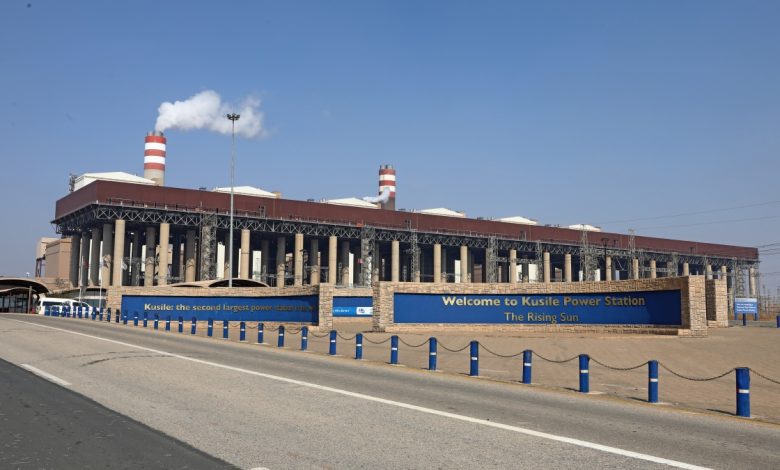
Africa stands at a crossroads, grappling with an escalating electricity crisis that underscores both the continent’s formidable resources and its pervasive inadequacies. While Nigeria and South Africa navigate their unique energy challenges, the interconnectedness of their situations paints a broader picture of a continent struggling with fundamental power issues despite its vast wealth in natural resources.
Nigeria, the largest oil producer in Africa, presents a perplexing paradox. As the nation struggles with an unreliable electricity supply, Senator Danjuma Goje starkly stated, “Only China can solve Nigeria’s electricity challenges.” This sentiment encapsulates the bitter truth: despite its oil riches, Nigeria has been unable to harness that wealth to develop a stable and resilient power infrastructure. The nation’s energy crisis highlights not just the failure to turn resources into power, but a governmental and systemic shortfall that has left many in the dark.
Meanwhile, South Africa’s energy landscape offers a glimpse of both progress and persistent peril. In recent months, the country has witnessed a slight reprieve from harsh load-shedding measures. However, as Dominic Goncalves, Advisory Partner for Energy Strategy at Cresco Project Finance and Founder of Naviara Energy, elucidates, the nation’s reliance on diesel generators as a backup fuel remains precarious. The ongoing crisis in the Strait of Hormuz has raised alarms about energy security, revealing vulnerabilities in what was once seen as a safety net for South Africa’s power systems.
“Diesel has always been the last line of defence for power systems globally and in South Africa… until the Strait of Hormuz crisis exposed an energy security risk at the fuel level and at the on-site, back-up level for critical loads,” Goncalves explained.
WATCH: Senator Danjuma Goje stating, “only China can solve Nigeria’s electricity challenges
These challenges converge into dual energy security risks that South Africa cannot afford to ignore. Electric reliability and diesel dependency now overlap in a manner that could sow chaos across essential services. Hospitals, data centres, and critical industries that depend on diesel generators during outages are at risk of crippling shortages should the situation deteriorate further.
The future of Eskom, South Africa’s state-owned power utility, looms as a dark cloud over the nation’s energy stability. Having endured three significant load-shedding crises since 2008, the looming coal decommissioning schedule poses another threat, with almost half of Eskom’s ageing coal fleet set for retirement.
Goncalves warns that without the swift deployment of replacement technologies like liquefied natural gas (LNG), nuclear energy, and battery energy storage systems (BESS), South Africa may face another crisis within the next three to four years. The Cresco National Energy Balance model paints a troubling picture: while renewable energy surpluses may flood the system during the day, significant shortages are anticipated in the mornings, evenings, and colder months, exacerbating Eskom’s reliance on diesel and highlighting the deepening vulnerabilities exposed by global fuel supply disruptions.
Ultimately, Africa’s electricity crisis transcends infrastructure deficiencies; it raises urgent questions about energy security amid a volatile global market. The paradox of Nigeria’s abundant oil riches juxtaposed with its power poverty, alongside South Africa’s fragile diesel dependence, underscores a pressing imperative for diversified and resilient energy strategies. As both nations grapple with their energy futures, only time will reveal whether they can overcome these crippling challenges and forge a brighter, more sustainable energy landscape for the continent.