Lubrication Failures: Why Training Matters More Than Technology
Advanced tools can’t prevent costly equipment breakdowns without skilled, well-trained lubrication technicians
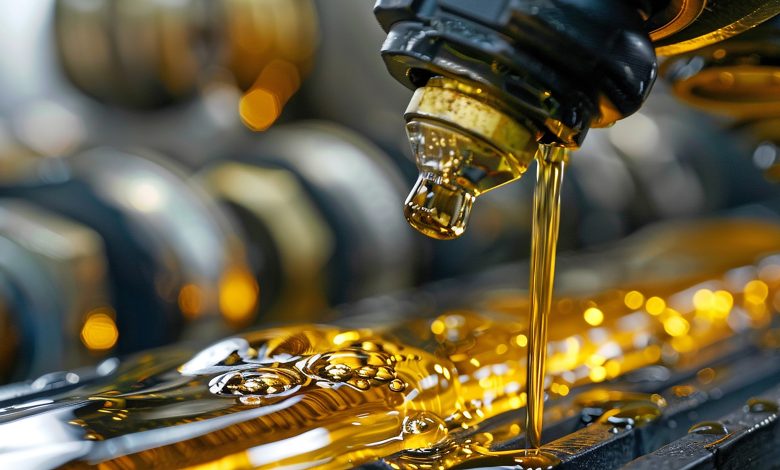
Lubrication management has become more advanced in recent years, as plants now have access to enhanced products, intelligent monitoring tools, and more sophisticated storage and dispensing systems. However, equipment failure rates due to lubrication issues continue to be alarmingly high. Colin Ford, Managing Director of Lubrication Engineers (LE) South Africa, emphasises that while technology plays a crucial role, it can only be effective if the individuals using it are properly trained.
“Studies estimate that roughly 75% of bearing failures are lubrication-related,” says Ford. “And in our experience, that tracks.” But what’s behind those failures is almost always a human factor, where, for example, the wrong lubricant is used or is applied incorrectly. “These are not equipment problems. They are training problems,” says Ford.
It is reported that lubrication technicians are among the lowest-paid members of a maintenance team, yet they are expected to keep critical machinery running with limited guidance and oversight.
Ford states that junior lubrication technicians are often instructed to follow outdated methods, despite the introduction of new techniques, making it difficult to break the cycle.
Such habits prevent companies from making meaningful progress on predictive maintenance and reliability programmes.

The gap in implementation
The gap between intention and implementation is a significant issue that technical teams often face. A company may invest in a new lubrication storage system or commit to an oil analysis program, but if the person responsible for daily maintenance is not adequately trained to use these systems correctly, the investment will underperform, rendering the efforts ineffective.
“You can spend a fortune on a new lubrication storage and dispensing system,” says Ford, “but if the people doing the maintenance are not trained correctly, then what is the use?”
The contamination challenge
Approximately 90% of lubrication contamination happens before a lubricant is ever applied to a machine. The main contributors to this issue are dust, water, and cross-contamination between different products during storage and handling. To address these problems effectively, it is essential to have the right equipment, but it is equally important to have personnel who understand the importance of proper procedures and are trained to follow them consistently.
Ford says that contamination control is one area where training pays back quickly and visibly. When technicians understand the consequences of introducing contaminants into a lubrication system, they are far more likely to follow correct storage, handling and dispensing procedures. “Any system is only as good as the people using it,” he adds.
Technology is not a substitute
The lubrication industry has experienced significant advancements in monitoring and automation. Online oil sensors, automated single-point lubricators, and remote condition monitoring systems are increasingly available and, when properly implemented, offer substantial benefits. Ford is confident about their long-term potential.
“Yes, there is a lot of development going on that can link single-point lubricators to off-site monitoring,” he says. “With oil sensors, vibration analysis or thermal readings, you can monitor an entire plant remotely. It is going to change things.”
But Ford cautions that these tools still need a well-trained team to get the most benefit.
There is an emphasis that lubrication suppliers should go beyond just selling products to support the industry. They need to actively monitor and maintain equipment, either by having a permanent presence on-site or by conducting more frequent technical visits.
Edited by Thobile Mazibuko