Democratic Republic of the Congo set to export 500,000 tons of copper to the US
DRC's copper export plans raise concerns over corruption and environmental impacts

The Democratic Republic of the Congo (DRC), a nation rich in natural resources, is preparing to export 500,000 metric tons of copper to the United States. This commitment, made by the state-owned miner Gécamines SA earlier this year, marks a significant development in the DRC’s strategic economic partnership, particularly as the United States seeks to reduce its reliance on Chinese minerals amid geopolitical tensions.
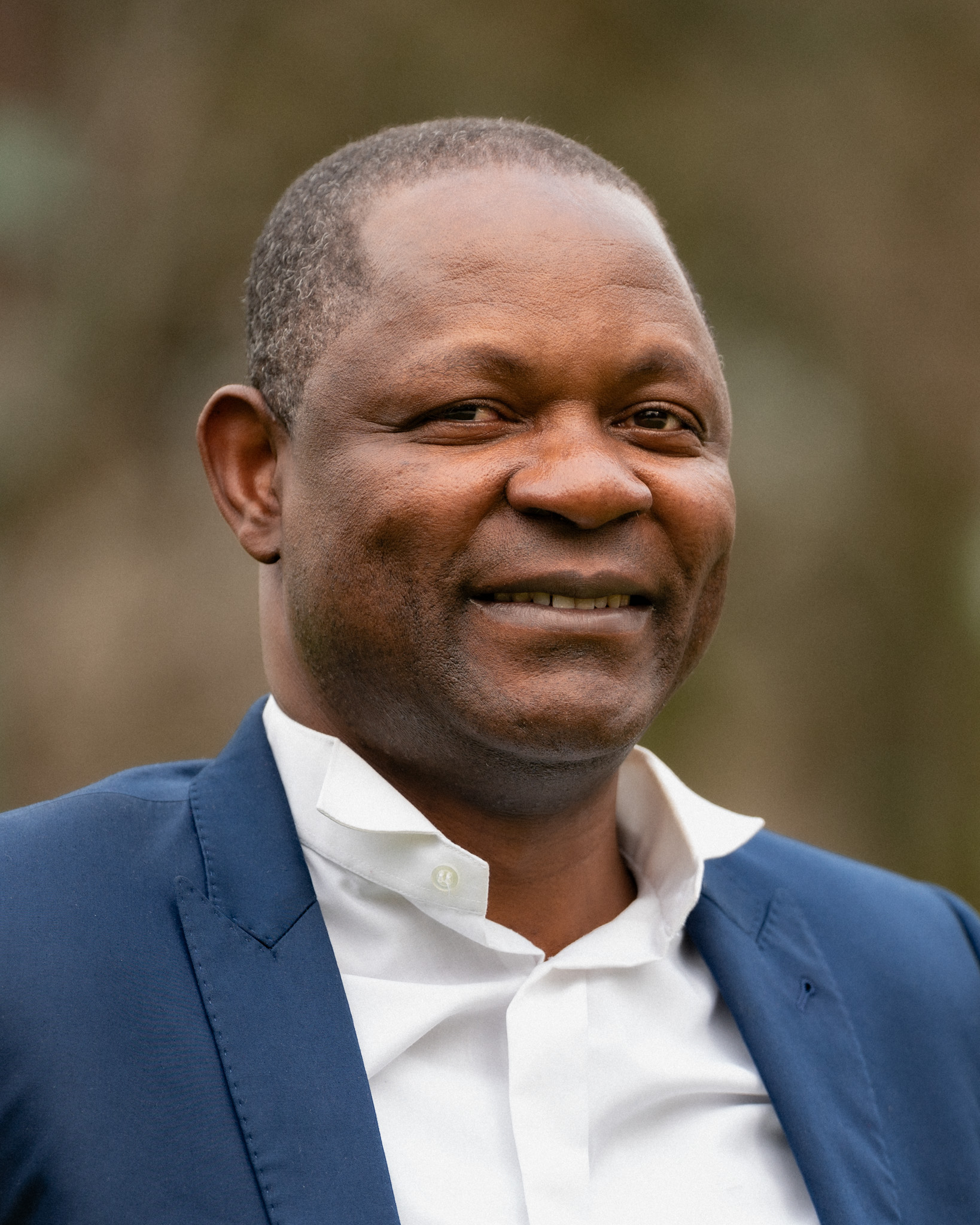
According to Jean-Claude Mputu, spokesperson for the civil society network Le Congo n’est pas à vendre (CNPAV) and deputy director of the NGO Resource Matters, the DRC government’s intention to export its own copper is nearing fruition. “The U.S. push to gain access to Congolese copper, in an effort to rebalance China’s dominance, is also materialising,” said Mputu.
However, amid this optimism lies a shadow of concern. Mputu expressed apprehensions regarding potential corruption associated with the tender processes. “All of this is happening without any transparency, without any call for tenders,” he warned. “The risk is repeating past patterns of corruption, even if China is replaced by the United States.”
This sentiment echoes a long-standing worry among various stakeholders in the region about governance and the management of natural resources. The DRC has faced serious allegations of corruption in its mining sector, which has hindered development and societal progress.
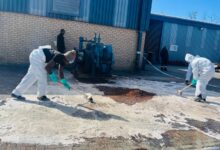
Mputu also emphasised the environmental repercussions that mining activities can impose on local communities. “There is a feeling that extraction is being carried out at the expense of the environment and local communities,” he said. “There are numerous cases of pollution around mining sites that go unpunished.” This highlights a crucial question surrounding the benefits of the copper exports: Will it ultimately improve the lives of Congolese people, particularly in terms of upholding environmental standards?
The DRC’s copper reserves are among the largest globally, making this export initiative an attractive prospect for both local authorities and international investors. Nonetheless, the benefits must not come at the cost of environmental responsibilities and the rights of local communities. As negotiations and contracts unfold, vigilance and transparency will be key to ensuring that the DRC’s resources lead to genuine development rather than repeating historical mistakes.