AfriSam Positions for Recovery as Infrastructure Investment Signals Hope
Despite ongoing cost pressures and subdued demand, AfriSam strengthens operations, maintains quality and prepares for growth amid early signs of renewed infrastructure activity in South Africa
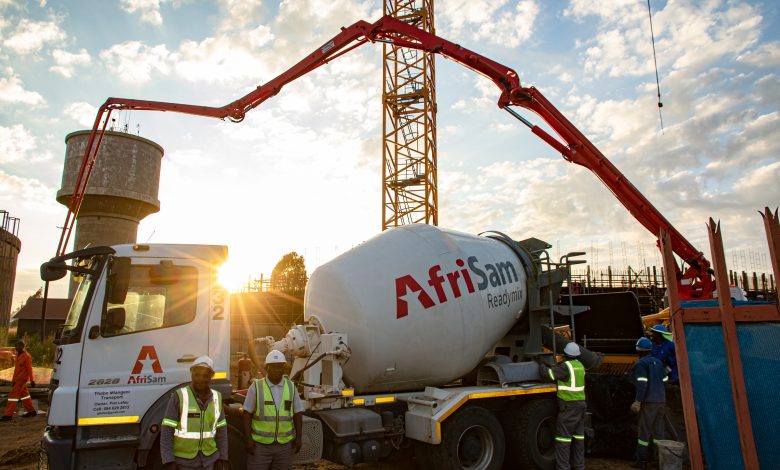
As South Africa’s construction materials sector grapples with ongoing pressures, emerging indicators suggest a potential turnaround. AfriSam, a leading cement manufacturer, is honing its focus on operational resilience and strategic investments to navigate the slow and uneven recovery of the market.
Eric Diack, Executive Chairman and CEO of AfriSam, emphasises that the future of the construction materials industry is intricately tied to the pace of infrastructure investment across the nation. Recent years have been marked by constrained public spending and rising input costs, which have created a daunting landscape for producers in the sector.
“The most important issue for our industry remains the level of infrastructure investment,” Diack asserts, highlighting promising developments in road infrastructure. He cites ongoing projects like the N3 and N2 in KwaZulu-Natal, along with the N7 in the Western Cape, which are anticipated to bolster demand for aggregates and readymix concrete.
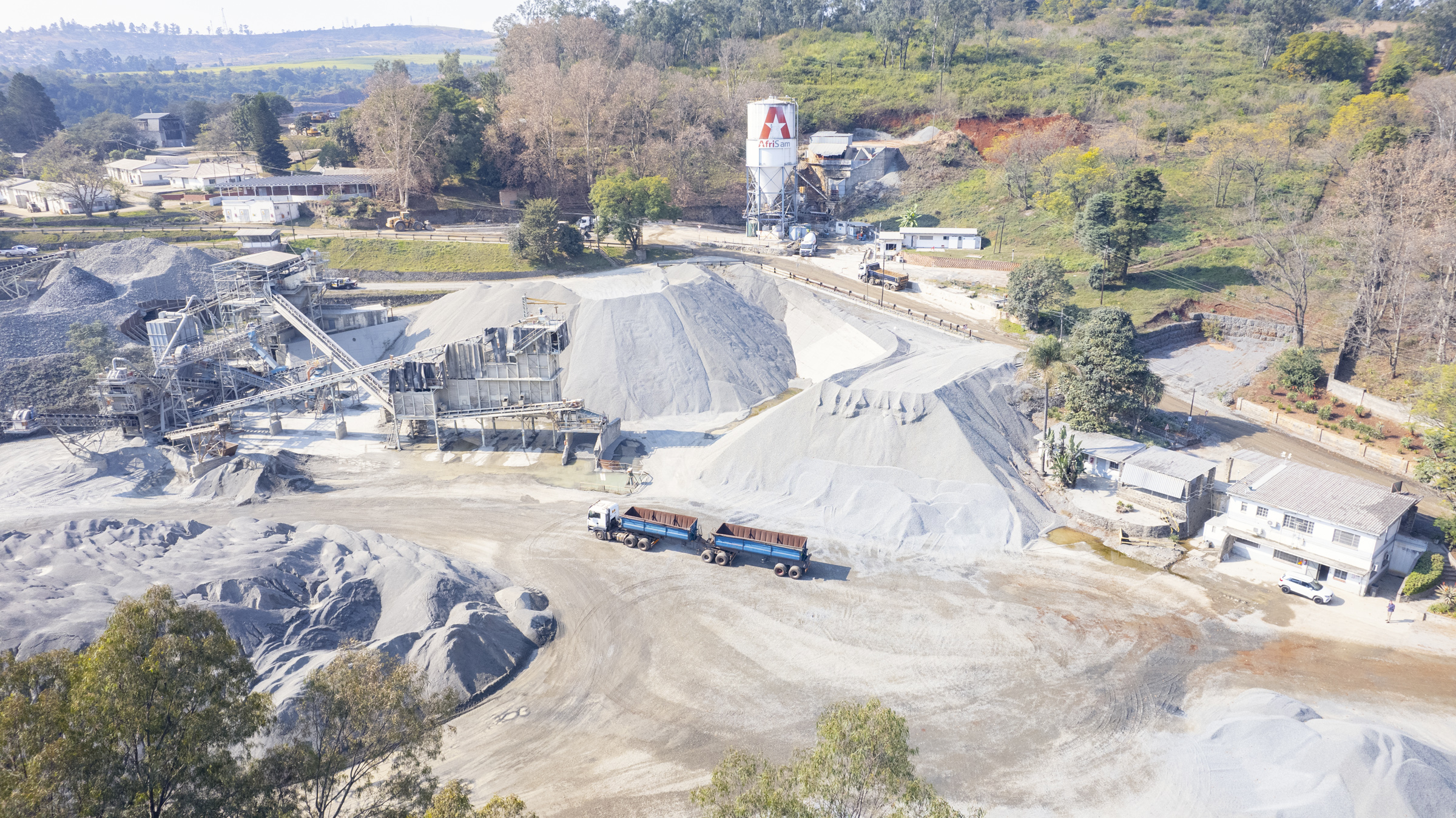
AfriSam’s comprehensive network of quarries and production plants positions the company to play a pivotal role in supporting these essential projects. Although the current activities reflect only a fraction of South Africa’s substantial infrastructure backlog, they serve as a reminder of the opportunities waiting to be uncovered should investment accelerate.
To maintain its competitive edge, AfriSam remains steadfast in prioritising the upkeep of its production facilities. “Our board has been clear that we cannot compromise on maintaining our plants,” Diack remarks. This commitment ensures that AfriSam can uphold consistent product quality and be ready to meet the growing needs of its customers as construction activity increases.
Regional disparities in construction trends are also noticeable, with the Western Cape outpacing other areas in terms of momentum. “There is clearly more confidence in the Western Cape at present,” Diack notes, pointing to significant developments in the Cape Town city bowl and Granger Bay, which are poised to enhance cement demand.
Despite these bright spots, overall cement volumes continue to stagnate. Richard Tomes, AfriSam’s Sales and Marketing Executive, acknowledges the ongoing pressures exerted by rising input costs. This has particularly been felt through energy expenses, which form a major cost component for cement manufacturers. Diack warns that even moderate national increases can lead to disproportionately higher effective rates for large industrial users due to the structure of tariffs.
Quality control is paramount for AfriSam, as Tomes reinforces the importance of stringent standards in ensuring that infrastructure projects rely on materials that meet required specifications consistently. However, complexities surrounding logistics have compounded the challenges for the sector. The deterioration of South Africa’s rail network has resulted in a heavier reliance on road transport, consequently driving up costs and complicating supply chains.
Drawing on over 90 years of industry experience, AfriSam continues to enhance its technical expertise and operational capabilities. “Our cement business remains at the core of our operations,” concludes Diack, optimistically noting that when market conditions improve, AfriSam will be strategically positioned to respond effectively to burgeoning demand.
Edited by Thobile Mazibuko