Orange River study charts a sustainable path for South Africa’s water future
WSP's integrated water resource classification study provides a science-based framework to balance economic development with long-term water sustainability
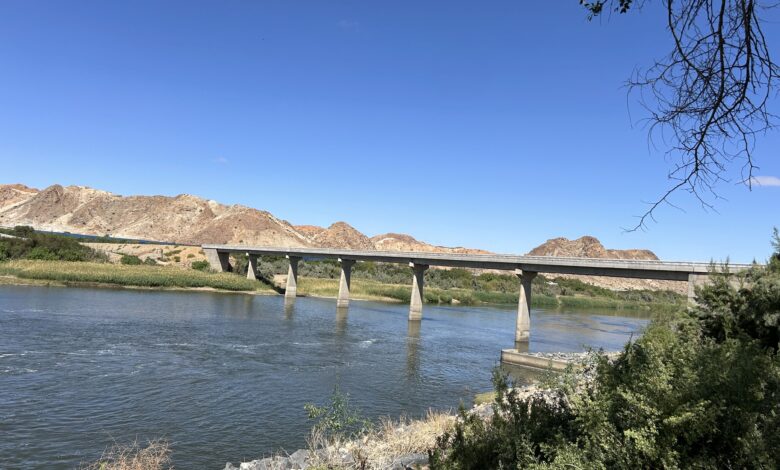
The recent integrated water resource classification study on the Orange River, led by WSP for the Department of Water and Sanitation (DWS), offers a compelling blueprint for how South Africa can build a more resilient water future.
The study is part of a series of national strategic research projects, primarily for the public sector. Unlike more commercially driven or site-specific projects, for this study, WSP focused on broader catchment management and resource-directed measures. “South Africa is divided into six water management areas, each corresponding to major river catchments,” explains Priya Moodley, Technical Director: Water Resources, WSP in Africa.
“The Orange River system, which is the focus of WSP’s project, is the largest and most complex of these, involving multiple transfers, dams, and users across provinces and even international borders – notably with Namibia. The three-year project, now in its final phase, is split into two contracts: one for the upper Orange and one for the lower Orange, reflecting the management of vast water resources in South Africa,” she adds.
Scope of the project

WSP needed to carry out an extensive catchment assessment study to better understand everything from the profile of water users to social demographics and socio-economic influences on the water catchments, to the quality and quantity of the water, and the state of the ecology.
The study’s scope was ambitious: to develop a protection framework for the Orange River, determining ecological “categories and classes for use for different stretches of the river and setting targets for water quality, flow, and habitat protection.
“The nature of the study meant that WSP needed to engage with a variety of stakeholders – local communities, farmers, industries, and government bodies – from the outset, ensuring that all those dependent on the river are sustainably supplied with water while simultaneously protecting the river and ensuring its long-term sustainability,” says Moodley.
The minimally used water resource class encompasses ecological category A and B rivers, which are minimally altered from their pre-development conditions. Class 2 encompasses rivers that fall in Category B and Category C, which are moderately used rivers. The third class, which denotes ecological category D rivers, indicates hardworking rivers, like the Orange River.
“We always want to keep rivers in class D or higher, which means the river is -heavily used but still sustainable. Anything lower than that – Class E or F ecological category becomes unsustainable,” she explains. “The Orange River’s lower reaches, for example, are classified as Class D – not pristine, but still sustainable and requires stringent management to maintain the state.”
Both the upper and lower Orange River are heavily used, which means that they are heavily relied on and attention is needed to ensure that they remain sustainable. WSP’s team conducted extensive fieldwork and grappled with the trade-offs inherent in managing a finite resource.
Balancing use and protection
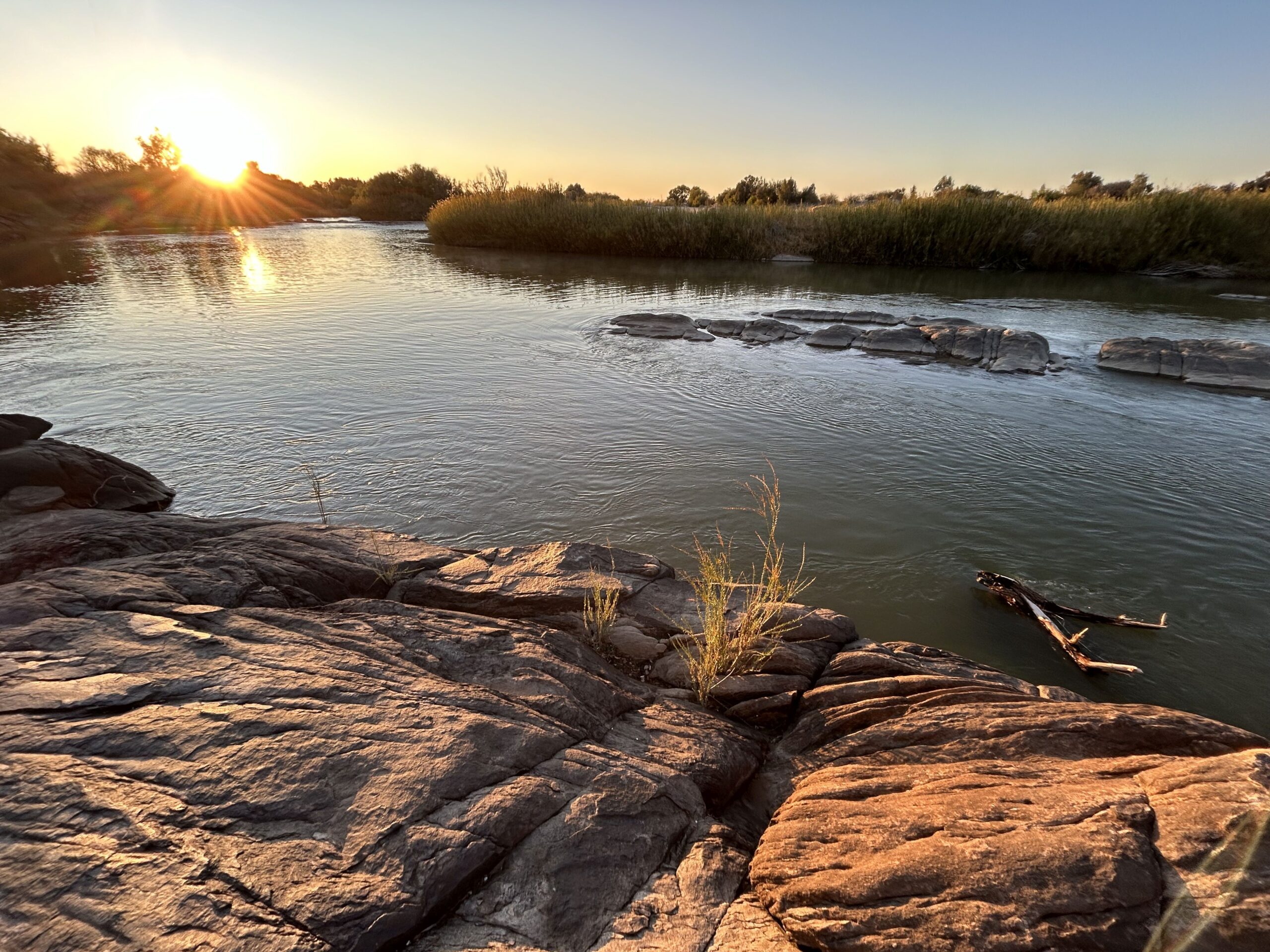
One of the study’s key insights was the need to strike a careful balance between use and protection.
This reflects the reality that the river supports extensive agricultural farming in the Northern Cape, with crops being exported to Europe, and alluvial diamond mining, while simultaneously maintaining sufficient flow and water quality to sustain ecosystems and unique fish species.
Moodley explains that one of the main challenges of the project was managing the system as a hardworking river – one that is heavily used but must remain ecologically sustainable. “Our team used trade-off analyses to set realistic targets for water use and ecological protection, recognising that some stretches of the river are already in a -deteriorating state due to affected water quality, with the intention to prevent further decline.”
WSP’s approach
WSP’s approach was holistic, considering not just the immediate needs of water users but also the long-term health of the river system.
Moodley explains: “The project set specific objectives for flow releases, water quality, and habitat conditions, while being conscious that every decision upstream affects outcomes downstream. Another challenge inherent in the project was international compliance, as the river is shared by Namibia, which has different priorities and approach to water regulations.”
This study has created a framework that provides targets and management goals for how this kind of catchment should be managed moving forward. This will now support informed decision-making and future planning in this area.
Perhaps the most important lesson from the Orange River study is the need for a mindset shift in every sector of society. “Water stewardship must become a collective responsibility extending beyond individual sites or sectors. Every user, whether a farmer, miner, city resident, or conservationist, has a role to play in protecting the resource for those downstream and for future generations,” concludes Moodley.