Olifants Management Model secures funding to tackle Limpopo’s water crisis
Stage 1 reaches mezzanine debt close, paving the way for one of South Africa’s largest water infrastructure programmes
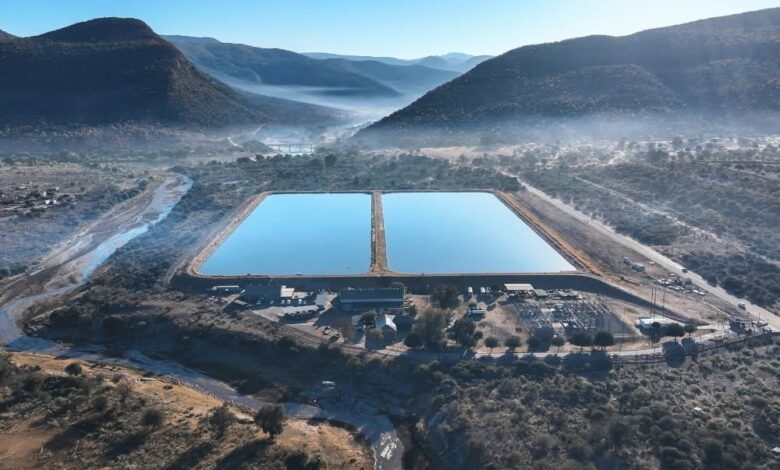
Limpopo, one of South Africa’s provinces hardest hit by water scarcity, is set to benefit from the launch of the Olifants Management Model (OMM) Programme. The Badirammogo Water User Association (BWUA) has announced that Stage 1 of the programme has reached mezzanine debt financial close with Climate Fund Managers, through its European Union-supported Climate Investor Two facility.
This milestone marks a significant step in securing funding for one of the country’s largest water infrastructure initiatives and validates the programme’s blended finance approach, which combines public, private, and institutional investment.
The OMM Programme is a R25 billion, multi-stage source-to-tap water infrastructure initiative, representing a pioneering 50:50 collaboration between government and the private sector. Recognised as Strategic Integrated Project 19 (SIP-19), it is designed to fast-track the development of bulk raw and potable water infrastructure across the Northern and Eastern Limbs of the Bushveld Igneous Complex in Limpopo Province.
“The OMM Programme exemplifies how public, private and institutional capital can be combined to advance critical infrastructure while improving climate resilience, supporting economic growth and expanding access to reliable water services,” said Darron Johnson, Regional Head of Africa at Climate Fund Managers.
Once completed, the project is expected to develop 875 km infrastructure of bulk raw and potable water pipelines, supply potable water to approximately 140 communities, which will benefit 390,000 people across Limpopo. Now, besides the water security and climate resilience in the region, the project will create 42,000 jobs directly and indirectly, a huge milestone for a country faced with high unemployment rate.
Projects like the OMM Programme are important because they not only improve infrastructure but also deliver meaningful service to communities, providing reliable water access and creating opportunities that uplift livelihoods.