Congo’s cobalt crisis deepens as military backs intruders
The mining sector in Congo is under threat as intruders invade cobalt-rich areas, with the help of the military
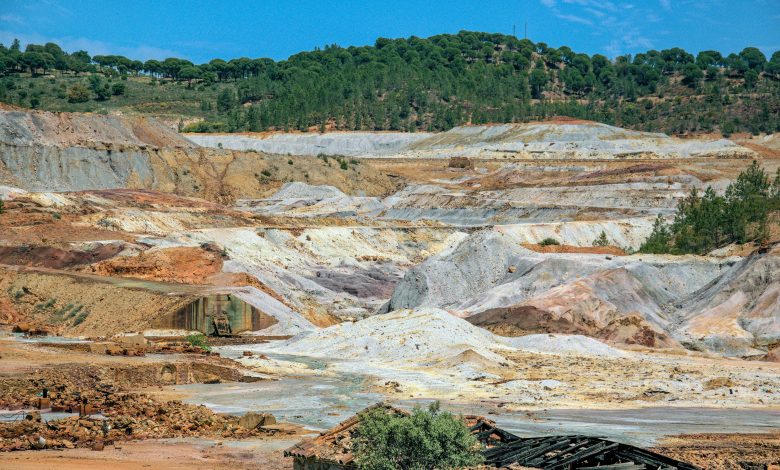
The mining sector in the Democratic Republic of Congo (DRC), a global leader in cobalt production, faces a precarious situation as intruders have seized a significant portion of the nation’s valuable cobalt deposits. This troubling development, unfolding around the city of Kolwezi, has raised alarm bells among stakeholders who fear for the future of the industry and its investment climate.
Reports indicate that intruders, reportedly backed by military forces, are exploiting a site previously held by a single company. This company, recognised for holding rights to reprocess over 100 million tons of waste material, known in industry parlance as tailings, has seen its operation disrupted by this illicit activity. The resurgence of such operations is particularly concerning as these tailings, which have long contaminated the region, are estimated to be worth billions of dollars.
Fatou Ntete Etumba, a Congolese businessman, has emerged at the centre of this controversy. He claims that the government has sanctioned his company’s actions to clean up a riverbed on land owned by ERG, a major player in the mining sector. However, ERG has categorically denied the legality of Etumba’s operations and asserts that they have not permitted him to conduct such activities. Complicating matters further, Mining.com indicate that Etumba’s operations have the backing of influential officials, including a high-ranking army general currently under sanctions imposed by the United States.
The ongoing situation poses a significant threat to mining operations in Congo, as the risk of illegal exploitation erodes investor confidence. If major companies cannot secure a legal and stable operating environment, they may withdraw from a market that is becoming increasingly unstable. The Congolese mining ministry has intervened in an attempt to mediate the conflict, but it remains uncertain whether these efforts will restore order.

One possible solution could be to allow multiple companies to obtain rights for cleaning up mining waste. This raises the question: why is waste, valued in the billions of dollars, managed by only one company when other capable companies could collaborate? This is an issue the Congolese government should reconsider.