
Tharisa Minerals Advances Underground Expansion with Inaugural Blast
Strategic development programme set to extend mine life beyond 2034 and sustain PGM and chrome production
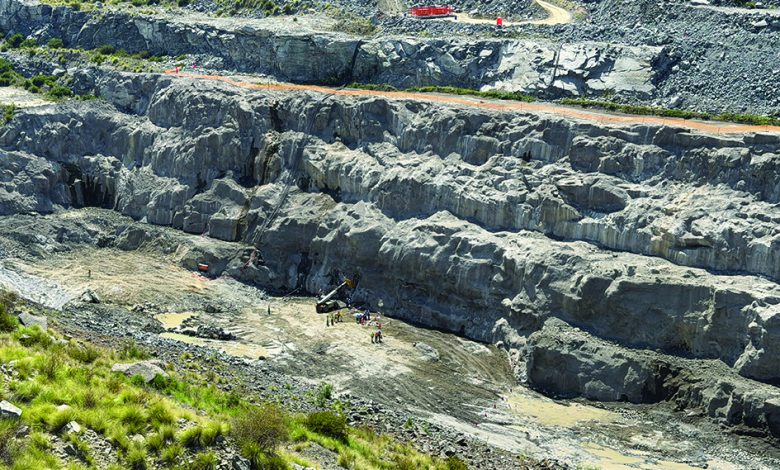
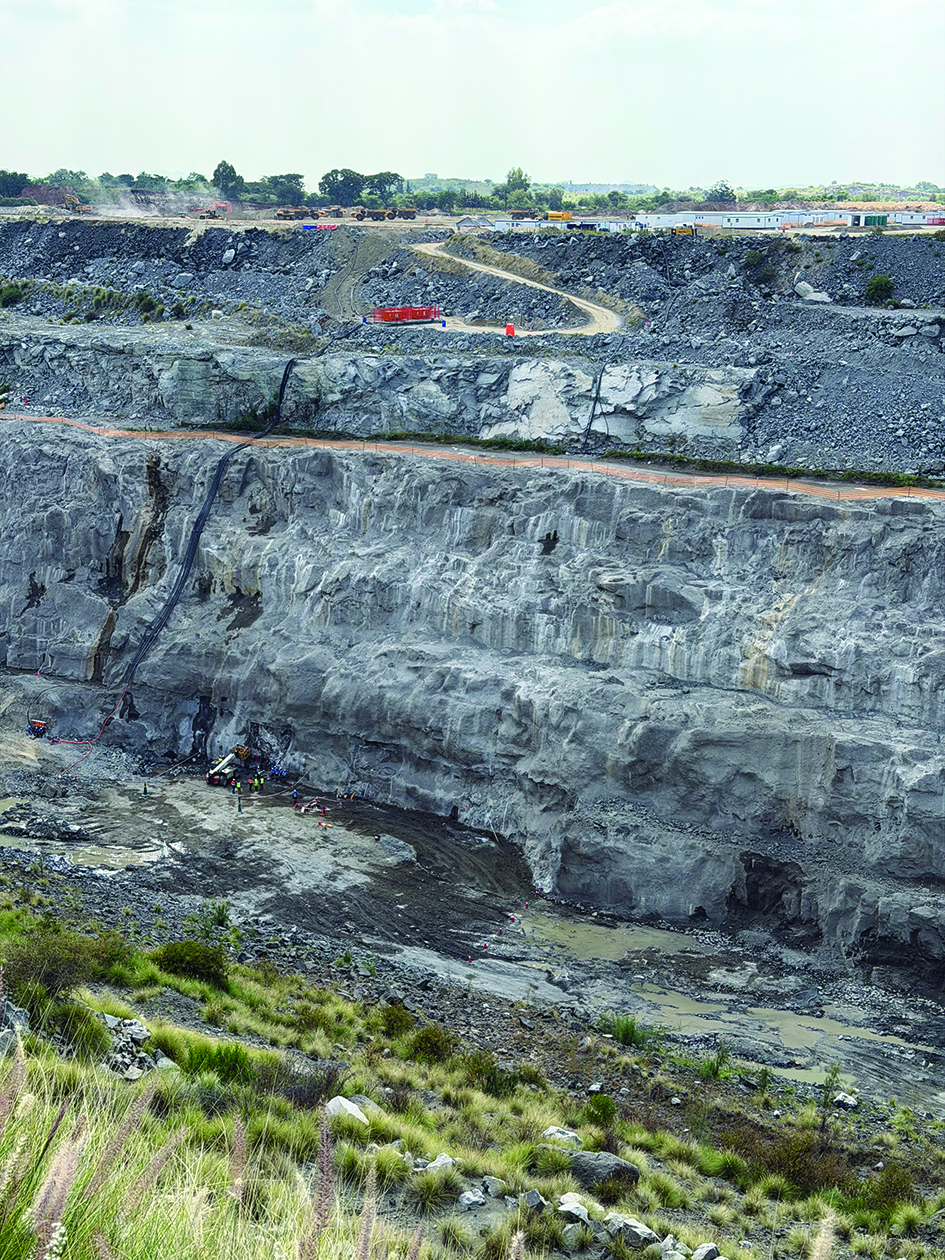
Tharisa Minerals, a South African low-cost, open-pit mine known for co-producing Platinum Group Metals (PGMs) and chrome concentrates, has officially commenced the next phase of its mining journey with the inaugural blast at its underground project.
The milestone marks the start of a strategic underground development program aimed at extending the mine’s lifespan well beyond the anticipated depletion of open-pit resources in 2034. The new bord and pillar operation on the tabular reef is designed to maintain production at 5.6 million tons per annum (Mtpa), with the capacity to increase to 6.2 Mtpa, thereby securing the long-term future of one of the country’s key mining assets.
Tharisa Minerals has selected Cementation Africa as the primary development partner for its underground project. This partnership entails that, over the next five years, Cementation Africa will oversee the early works, the main development program, and the production ramp-up to approximately 255,000 tons per month.
Japie du Plessis, Managing Director of Cementation Africa, expresses pride in being selected as the development partner for this project and in playing a key role in supporting Tharisa’s transition to underground mining.
“The inaugural blast marks the start of an important new era for Tharisa and is a major milestone in extending the life of this world-class mining operation,” du Plessis says.
“This is a strategically important project for the South African mining sector. The collaboration with Tharisa to date has been highly professional and forward-looking, which is essential for a project of this scale and complexity.”
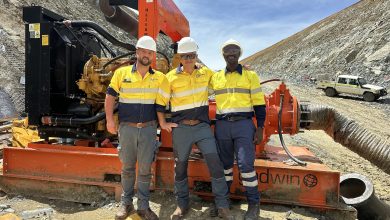
The project is currently in the early stages at the Apollo portal complex, where three portals have been excavated to a total depth of approximately 140 meters. This work includes essential ground support measures, installation of arch sets, and the application of shotcrete to ensure long-term stability and safe access to the underground areas.
Following this phase, the project will move into a five-year main development and stoping contract, setting the stage for consistent underground production.
Du Plessis highlights that Cementation Africa’s role goes beyond mine development and excavation; it also includes establishing the systems, governance structures, and safety frameworks necessary for underground operations.
“Successful underground mining depends on much more than physical development,” he says. “It requires robust governance, comprehensive safety systems and the right operational procedures to support long-term production.”