WWF Zimbabwe launches 2026–2030 strategy to drive responsible mining in energy transition minerals push
At a stakeholder meeting in Harare, WWF Zimbabwe unveiled its 2026–2030 Strategic Plan alongside a programme on environmentally and socially responsible mining, aligning government and partners
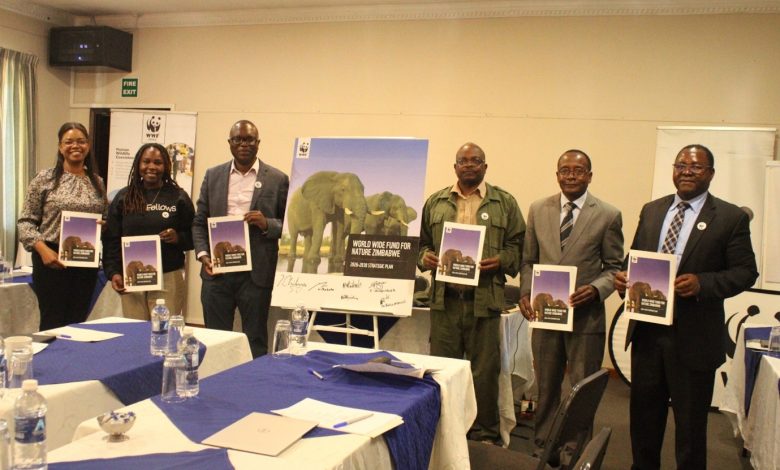
WWF Zimbabwe has officially launched its 2026–2030 Strategic Plan and hosted a National Stakeholder Engagement Meeting on fostering environmentally and socially responsible mining at the Bronte Hotel in Harare.
The meeting was part of the formal start of implementation for its regional project focused on Fostering Environmentally and Socially Responsible, Decarbonised, Inclusive and Transformative Value Chains for Energy Transition Minerals in the SADC Region under the theme “Together, it is Possible.”
The meeting brought together senior government and sector stakeholders, including the Permanent Secretary in the Ministry of Mines and Mining Development Zimbabwe, Dr. Thomas Utete Wushe, and the representative of the Permanent Secretary in the Ministry of Environment, Climate and Wildlife Zimbabwe, Mr. Washington Zhakata, who serves as Chief Director for Environment, Climate and Wildlife, alongside officials from various government ministries, departments, and agencies.
Dr Wushe stressed the importance of accountability and responsible resource governance in Zimbabwe’s mining sector, noting that mineral development must deliver tangible national and community benefits while safeguarding long-term environmental sustainability. He emphasised that environmental impact assessments (EIAs) are a mandatory requirement rather than a procedural formality, and reaffirmed that mine rehabilitation and closure obligations will be strictly enforced.
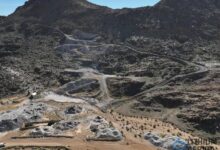
Zimbabwe, he said, will not pursue growth at any cost. Instead, mineral wealth must translate into meaningful development outcomes for communities and the country at large.
Zhakata underscored the need to carefully balance economic development with environmental protection, warning that poorly planned mining activities can have severe consequences for ecosystems, climate, and biodiversity. He highlighted that sustainable development requires transparent and responsible decision-making in the national interest, with progress ultimately measured by tangible outcomes on the ground by 2030.
Adding to the discussion, stakeholders such as Chibaya emphasised the urgency of ensuring that mineral development benefits both people and nature.
“We cannot mine our way into development if we mine our ecosystems out of existence,” Chibaya said. “The decisions we make in the coming years will determine whether Zimbabwe becomes a model for responsible mineral development or not”
Through its new strategic direction, WWF Zimbabwe aims to strengthen collaboration across government, industry, and civil society to advance responsible mining practices, support climate and biodiversity goals, and ensure that the country’s participation in the global energy transition is both inclusive and sustainable.