Ramaphosa endorses Eskom restructuring report, paving way for competitive power market
Phase I of Eskom’s restructuring sets the foundation for an independent Transmission System Operator to unlock investment and lower electricity costs
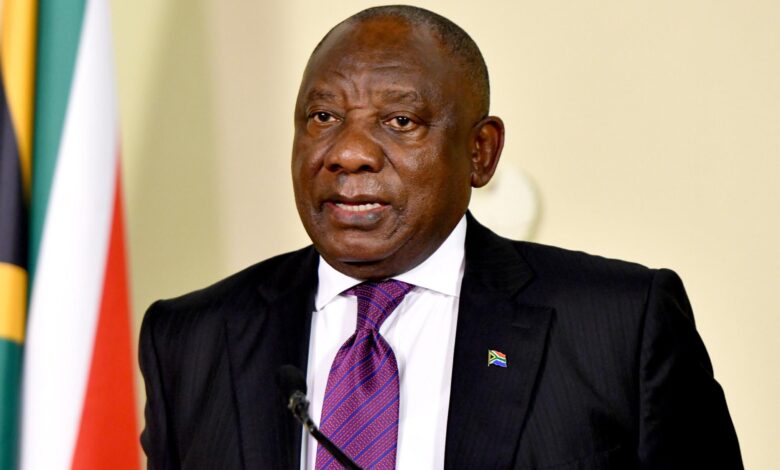
President Cyril Ramaphosa has endorsed the Phase I report of the Eskom Restructuring Task Team (ERTT). The move signals government’s intent to introduce competition, attract investment, reduce electricity prices, and secure long-term energy stability, all critical for economic growth and job creation.
One of the key factors of the report is the recommendation to establish an independent Transmission System Operator (TSO), separated from Eskom. The TSO will serve as a cornerstone for a competitive wholesale electricity market, ensuring reliable and cost-effective power supply.
“This report shows how government can ensure that the architecture of the electricity sector can change as the sector continues to evolve, creating the foundation for South Africa’s growth. It is welcomed that all the key stakeholders are aligned on this objective,” said Ramaphosa.
The ERTT’s Phase I analysis, presented to Ramaphosa on July 30, confirmed that restructuring is feasible, aligns with international best practice, and can be achieved without undermining Eskom’s financial sustainability. However, the report flagged municipal arrear debt as a pressing risk to Eskom and the broader electricity sector.
Phase II of the restructuring process has started and will run over the next three months. It will focus on developing the detailed transaction structure and implementation plan. Furthermore, a working group will consolidate initiatives to tackle municipal arrears, including stricter credit enforcement, smart meter rollouts, Distribution Agency Agreements, and reforms such as the Municipal Debt Relief Programme and Electricity Distribution Industry Roadmap.
The report also outlines interim measures to strengthen the independence of the National Transmission Company of South Africa (NTCSA). These include ring-fencing licensed activities, unbundling tariffs, clarifying payment flows, and insulating market participants from non-payment risks.
Governance reforms will ensure that NTCSA operates independently. Eskom board members will not serve on NTCSA’s board, while NTCSA’s CEO and senior management will be appointed solely by its board. Decision-making authority on transmission access will shift from Eskom to NTCSA, and eventually to the TSO.
The restructuring is widely seen as a turning point for South Africa’s energy future. By creating a transparent and competitive electricity market, the reforms aim to deliver affordable power, stimulate investment, and drive industrial growth.