South Africa eyes new opportunities in nuclear energy
Ambassador Sindiswa Mququ outlines the country’s energy plans at an international conference in South Korea, including extending Koeberg’s operating life and developing local industry
South Africa plans to add 5,200 megawatts (MW) of nuclear capacity by 2039 as it works to strengthen energy security and expand its electricity supply.
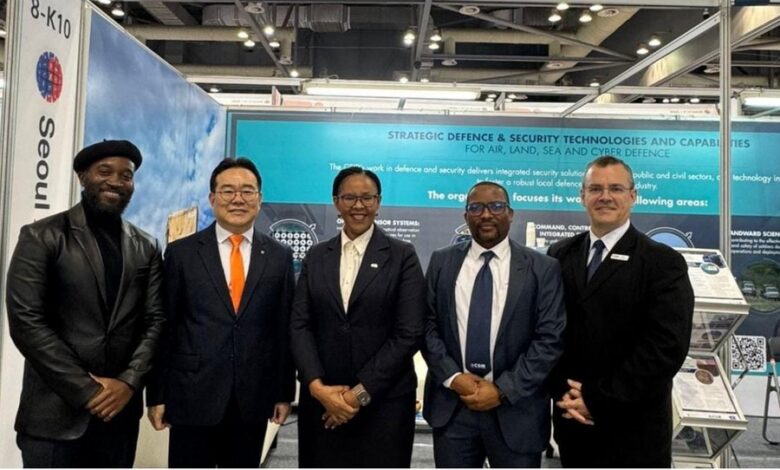
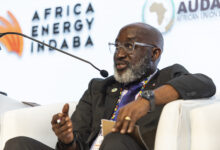
South Africa’s ambassador to the Republic of Korea, Sindiswa Mququ, outlined the country’s plans at the Sixth International Ministerial Conference on Nuclear Power, taking place in Incheon, South Korea, from October 27 to 29.
Speaking at the conference, Mququ highlighted the role of nuclear power in supporting economic recovery, industrial competitiveness and access to reliable, low-carbon electricity, alongside renewable energy and storage.
“South Africa has safely operated Koeberg Nuclear Power Plant in the African Continent for more than four decades. The National Nuclear Regulator (NNR) has granted an operating licence for an additional 20 years for Unit 1 and Unit 2 up to 2044 and 2045 respectively,” she said.
South Africa is preparing for the next phase of its expansion programme under the approved Integrated Resource Plan (IRP2025), which allocates 5,200MW of new capacity for deployment by 2039. The Nuclear Industrialisation Plan also considers a longer-term target of up to 10,000MW.
“These plans reflect our commitment to energy security, industrialisation, localisation and regulatory integrity,” said Mququ.
She added that the programme would focus on developing local expertise and ensuring investment benefits manufacturers, engineers, small and medium-sized enterprises, and the wider supply chain.
South Africa is considering both large-scale plants to support grid stability and small modular reactors for industrial areas and other applications.
Other areas of development include the Pebble Bed Modular Reactor, a new multipurpose research reactor, isotope production and a nuclear fuel-cycle strategy. Mququ said these options would be assessed against their performance, costs, delivery timelines and the country’s energy needs.
She also highlighted the value of international cooperation in sharing operational experience, strengthening regulatory oversight, advancing research and training, and qualifying suppliers.
She said across Africa, the technology could support industrialisation, mineral beneficiation, growing cities, green hydrogen production and job creation.
“Our task is to convert that potential into programmes that are safe, deliverable and aligned with national development priorities,” said Mququ.
She added that South Africa remained open to partnerships that would allow countries to share expertise and resources while strengthening energy security across the continent.