Protect the West Coast launches upgraded Ripl platform to give communities a stronger voice in mining decisions
Enhanced digital platform connects communities directly to environmental consultation processes
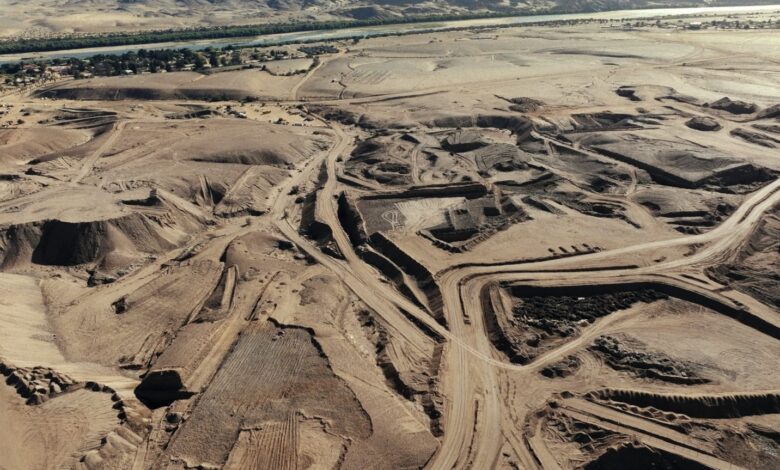
Environmental non-profit Protect the West Coast (PTWC) has revealed major upgrades to its pioneering digital public participation platform, Ripl, making it easier than ever for South Africans to access mining applications, have their say on proposed developments and influence major decisions affecting their communities and environment.
Ripl is the first-of-its-kind digital platform in Africa to centralise mining application information and connect communities directly to formal environmental consultation processes, breaking new ground in public access and participation.
To make the platform more accessible to local communities, Ripl is now also available in Afrikaans, the most widely spoken language on the West Coast, helping to overcome language barriers and enabling more people to access information, engage with environmental consultation processes and have their voices heard.
Public participation is a legal requirement in South Africa’s environmental authorisation processes, yet accessing information and navigating formal consultation processes can be complex and time-consuming. In the past, communities have had to rely on easily missed newspaper or radio notices, signage and public meetings to learn about proposed developments with major impacts on their land, livelihoods and environment. Often, this means impacted parties have little to no opportunity to have their voices heard.

While the Western Cape has recently introduced an online mining cadastre, it focuses primarily on mining rights and permit administration rather than providing information about mining applications or enabling public participation. Ripl addresses this gap by centralising information on mining and prospecting applications along the West Coast and makes it easier for the public and communities to participate meaningfully in decisions that affect them.
The updated Ripl platform enables users to register as Interested and Affected Parties (I&APs). They can submit comments directly to the Environmental Assessment Practitioners (EAPs) managing the formal public participation process. They can identify mining, prospecting and development applications in their area, become aware of public meetings and receive updates via email, WhatsApp or SMS.
Ripl’s design is optimised for mobile and makes the platform more accessible to local communities, removing barriers to participation and enabling more people to have a say in decisions that affect them.
“Ripl was created because we saw how difficult it was for ordinary people to find out what mining activities were being proposed in their communities, let alone participate in the decision-making process. This upgrade is about making that process simpler and more accessible, using technology to give people a practical way to exercise their rights,” said Mike Schlebach, managing director, PTWC.
Ripl reflects the growing global shift towards e-participation, using digital technology to make public engagement more accessible, inclusive and accountable.
The importance of meaningful consultation was reinforced by the Constitutional Court’s landmark judgment in August 2026. The Court found that the right granted Shell Oil in 2014 to prospect for oil and gas off the Wild Coast was unlawful due to a lack of meaningful engagement with the affected coastal communities – something that PTWC lawyers now use as part of their pushback against poorly conceived mining applications on the West Coast.
“The courts have set a clear standard for meaningful consultation, but the systems people must navigate have not kept pace,” continued Schlebach. “Ripl helps translate those legal principles into something communities can actually use.”
Since its initial introduction, Ripl has already demonstrated how digital tools can support greater public involvement in environmental decision-making. The platform has recorded more than 1,100 subscribers, 68 applications uploaded and 1,281 I&AP registrations.
In June 2025, Ripl facilitated 55 public objections to a Tronox mining application, representing 93% of the 59 objections received. The remaining four objections came from government entities.
Ripl builds on PTWC’s six years of environmental advocacy on the West Coast. Since 2020, the organisation’s legal and scientific teams have tracked approximately 317 mining and prospecting applications, submitted 53 comments and objections, and lodged 19 appeals against environmental authorisations.
PTWC’s advocacy efforts have contributed to significant victories, including securing access to traditional fishing grounds, the withdrawal of 11 mining and prospecting applications, and the rejection of two others by authorities.
The upgraded Ripl platform is now live at ripl.co.za. A video walkthrough of the platform is available here. In early 2027, PTWC will launch a grassroots campaign to build awareness of Ripl, educate communities on how to use the platform and encourage meaningful participation in environmental decision-making.