City Power begins six-month electricity overhaul in Tshepisong
The intervention includes transformer replacements, infrastructure audits and meter checks as the utility tackles illegal connections and low electricity payments
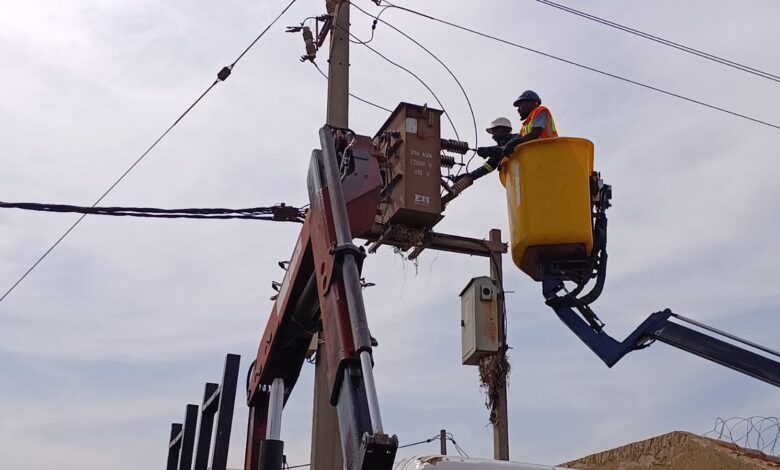
City Power has started a six-month programme to restore and strengthen the electricity network in Tshepisong, west of Johannesburg, following persistent outages linked to illegal connections, infrastructure damage, meter bypassing and low electricity payments.
The intervention follows a recent visit to the area by Johannesburg Mayor Dada Morero, who met with residents and City Power officials over the electricity crisis.
The scale of the challenge was outlined during the engagement. Tshepisong’s network serves an estimated 12,000 customers, but only 202 of the 11,958 registered prepaid customers are actively purchasing electricity. The remaining 11,756 are classified as non-vending.
City Power said the low vending rate, combined with illegal connections and tampering, has placed significant pressure on the electricity network. The utility has also reported cases where newly installed transformers were illegally reconnected before they could be commissioned.

As part of the intervention, City Power has begun replacing damaged infrastructure. Two transformers have already been replaced in Tshepisong, including the transformer supplying Harry Gwala Primary School, which was damaged by illegal connections.
City Power is also conducting an area-wide audit to assess the condition and capacity of the electricity infrastructure serving individual households.
“The assessment includes verifying cable connections, identifying properties without meters and evaluating transformer infrastructure, while documenting network-related concerns identified during the exercise. The audit is providing a detailed, on-the-ground assessment of the infrastructure and electricity conditions across the area,” said City Power.
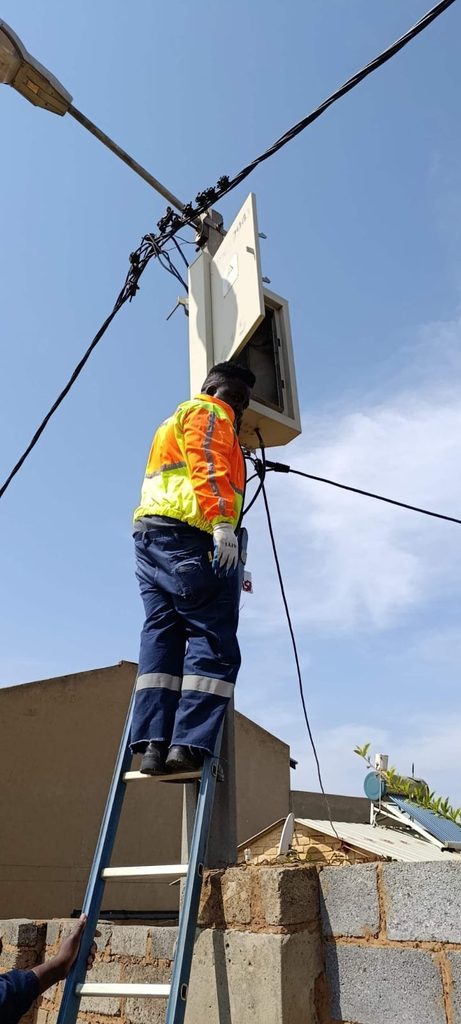
The utility said the audit will help establish where infrastructure needs to be repaired, replaced or reinforced as part of the broader normalisation programme.
The programme also includes replacing damaged service cables as a once-off intervention to support the normalisation process. Under normal circumstances, customers are responsible for replacing their own service cables.
Morero said the infrastructure upgrades and improved metering were intended to reduce pressure on the network and improve the reliability of electricity supply.
“These interventions will help reduce overloading, improve the reliability of the electricity network, and support a more sustainable power supply for residents. Step by step, we’re delivering on the commitments made to the people of Tshepisong.”
The electricity crisis has been compounded by repeated illegal reconnections and vandalism. In July, City Power temporarily withdrew technical restoration and maintenance services from Tshepisong after newly installed infrastructure was repeatedly tampered with and illegally reconnected. The utility said technicians could not safely continue working under those conditions.
City Power has set an 80% electricity vending threshold as part of the normalisation process. The aim is to ensure that newly restored infrastructure is not immediately overloaded or damaged after being energised.
Acting City Power CEO Charles Tlouane said the utility needed residents to take responsibility for protecting the infrastructure being installed.
“We are asking residents to protect these transformers and all the infrastructure that we are putting in place.”
The normalisation programme is expected to be implemented in phases over up to six months, with City Power carrying out infrastructure repairs, transformer upgrades, meter audits and network reinforcement.