Minister of energy says reliable electricity key to reviving South Africa’s manufacturing sector
Electricity and Energy Minister Dr Kgosientsho Ramokgopa says expanding generation capacity and transmission infrastructure is critical to restoring manufacturing competitiveness and driving industrial growth
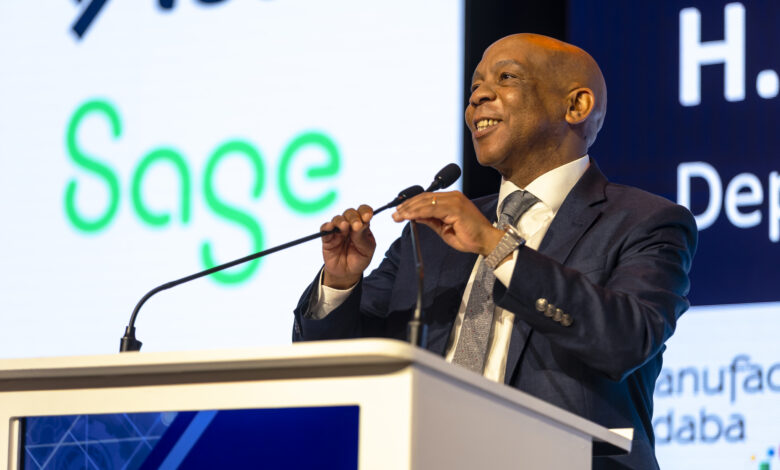
At the recent 13th annual Manufacturing Indaba held at the Sandton Convention Centre, Minister of Electricity and Energy Dr Kgosientsho Ramokgopa emphasised the importance of reigniting South Africa’s manufacturing sector.
The theme for this year’s Manufacturing Indaba was “Made in Africa: Scaling Growth and Shaping Trade,” and Dr Ramokgopa’s topic was “Powering Industrialisation: How South Africa’s Transmission Rollout Unlocks Manufacturing Growth.
The minister said manufacturing contributed about 22% to South Africa’s economy at the dawn of democracy, but that figure has since declined to around 12%, a trend he described as deeply concerning.
He stressed that rebuilding the sector will depend on one critical factor: ensuring South Africa has a stable, reliable and affordable electricity supply.

“You will not set up a manufacturing industry in a jurisdiction that cannot provide reliable and affordable electricity,” said Dr Ramokgopa.
He added that energy security remains one of the biggest determinants of whether manufacturers choose to invest, expand production or establish new operations in South Africa.
“Energy security is a big conversation. Companies need to ensure that they have secure energy,” he said.
For manufacturers, uninterrupted electricity is more than just keeping the lights on. It allows production lines to operate efficiently, reduces costly downtime, improves competitiveness and gives investors confidence to commit capital to long-term projects. Years of electricity shortages and load shedding have weighed heavily on South Africa’s industrial sector, making energy security an essential ingredient in rebuilding confidence.
To support future industrial growth, government is prioritising significant investment in electricity infrastructure, particularly the expansion and modernisation of the country’s transmission network.
“Transmission infrastructure is critical because electricity must be moved from where it is generated to where it is needed. That is why we plan to expand South Africa’s transmission network by approximately 14,500 kilometres over the next decade,” said Dr Ramokgopa.
The planned expansion will enable electricity generated from new renewable energy projects and other power sources to be transported more efficiently across the country, ensuring that industries have access to reliable power regardless of where generation facilities are located.
Ramokgopa explained that increasing electricity generation alone will not be enough to meet South Africa’s future industrial ambitions.
“Our Integrated Resource Plan shows that South Africa must significantly increase generation capacity to meet future demand. But expanding generation alone is not enough, transmission infrastructure must keep pace.”
He added that the country’s energy transition presents significant opportunities for local manufacturers, particularly those capable of supplying components needed to build and maintain new electricity infrastructure.
“We need the industry to be ready. We need cables, transformers, towers and the skills required to build this infrastructure if we are to achieve our industrialisation ambitions.”
According to the minister, expanding South Africa’s transmission network will require substantial volumes of locally manufactured materials and specialised technical skills. This presents an opportunity for manufacturers to strengthen domestic supply chains, create employment and position themselves to support one of the country’s largest infrastructure programmes in decades.
Ramokgopa said South Africa’s ambitions extend beyond meeting domestic demand. With the AfCFTA creating new opportunities for regional trade, he believes the country is well positioned to strengthen its role as a manufacturing powerhouse on the continent.
“South Africa must remain the manufacturing and industrial hub of the continent. The opportunities are not only here at home, but across Africa.”