Ambatovy restores Toamasina plant after Typhoon Gezani disruption in Madagascar
Following severe weather damage, the nickel and cobalt producer resumes operations while supporting affected communities and reinforcing operational resilience
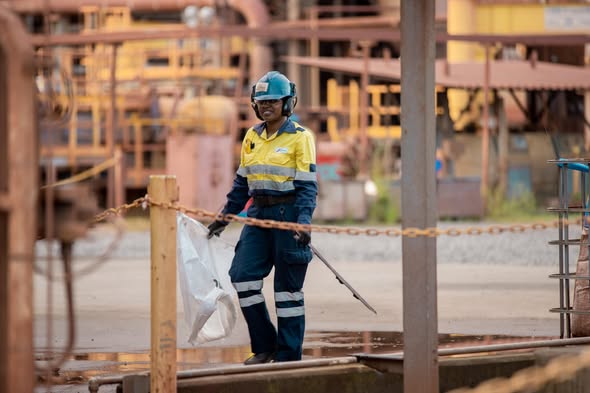
On 10 February 2026, Madagascar was struck by Typhoon Gezani, which disrupted industrial activity across the country and affected both businesses and the livelihoods of surrounding communities.
Among the impacted operations was the Toamasina recycling plant, a subsidy of Ambatovy, a major nickel and cobalt producer in Madagascar. The company has now confirmed that the plant has been restored after being shut down for several months due to cyclone-related damage.
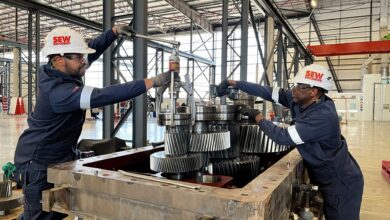
“The metal recycling plant in Toamasina is now back in operation after it was stopped for months and had to be repaired due to the passing of Gezani. Hopefully, the first nickel and cobalt product will be released soon. This important step was achieved because of the patience, skill and exceptional dedication shown by all the staff and audience of Ambatovy who worked tirelessly to restore the damaged parts of the company to restore production in a controlled and safe manner,” read the statement from Ambatovy.
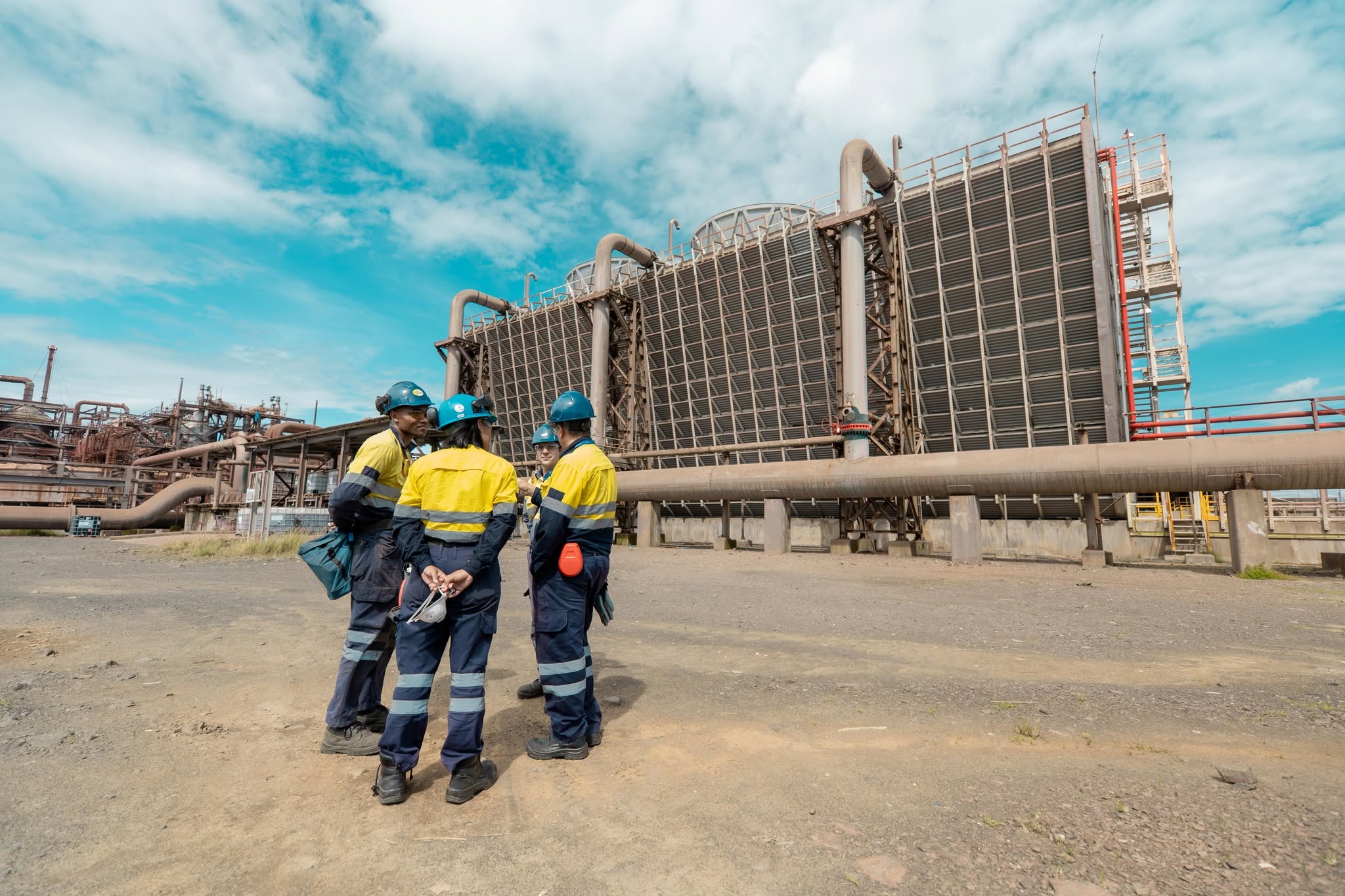
The statement highlights not only the technical recovery of the facility but also the human effort behind it, with Ambatovy attributing the turnaround to the patience, expertise, and commitment of its workforce during the rehabilitation process.
In its broader recovery message, Ambatovy reiterated that its operations are closely tied to the well-being of local communities and stakeholders, many of whom rely on the company for livelihoods and economic activity. They added that its recovery strategy is anchored on three key pillars: management discipline, teamwork, and production control.
The reopening of Ambatovy’s Toamasina facility marks a critical recovery milestone for Madagascar’s mining sector after Typhoon Gezani. Beyond resuming production, the restoration reflects the resilience of industrial operations in the face of climate-related disruptions, as well as the central role of skilled workers in rebuilding and sustaining essential economic infrastructure.