Abandoned mines: Why closing the gate is not enough
Mafefe asbestos concerns highlight the environmental and health risks communities face when abandoned mining sites are not properly rehabilitated
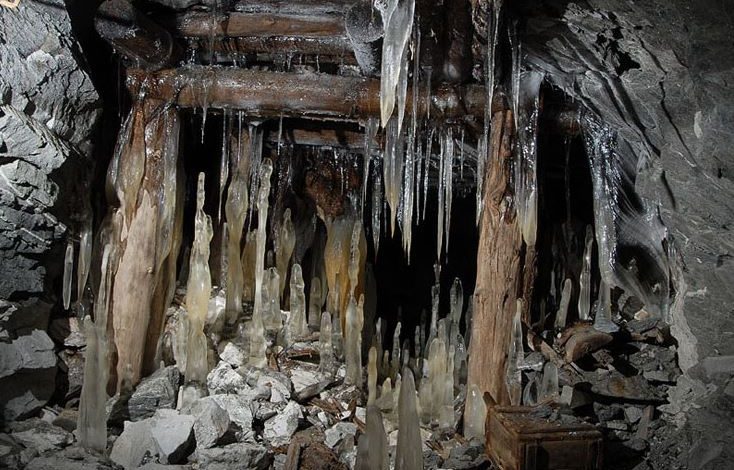
When a mine is abandoned, simply putting up a “closed” sign at the gate is not enough. Without proper rehabilitation and monitoring, abandoned mines can become magnets for illegal mining while also posing serious risks to surrounding communities.
Residents of Mafefe, a village in Limpopo, South Africa, have raised health concerns over possible exposure to asbestos residue in the area.
The community said they need the government to help in closing the asbestos because when it rains, soil corrosion takes place and asbestos stones are washed into the rivers.
While the Department of Mineral and Petroleum Resources is still investigating the situation, Dr Khangwelo Musetsho, CEO of Naledzi Environmental Consultants, told the SABC that the area needs to undergo rehabilitation because asbestos deposits can remain in the environment for decades.

“The issue of asbestos is a serious one from an environmental point of view, mostly because its residues will remain in the environment for quite a long time, and those that contract it would have it. Let’s say 30 to 60 signs will only show after 60 years or so. So, this illness called asbestosis is quite a killer. These asbestoses are normally found in rocks in this village called Mafefe.”