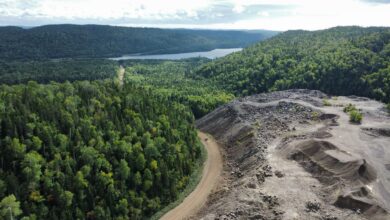
Côte d’Ivoire allocates 30% of CFA38 trillion plan to mining
The country's new Integrated Mineral Resources and Energy Policy aims to double the contribution of mining, hydrocarbons and energy to GDP by 2040, with private investment expected to account for 88% of the funding

Côte d’Ivoire is looking to expand the role of its mining industry in the national economy through a CFA38 trillion investment programme covering mineral resources, hydrocarbons and energy.
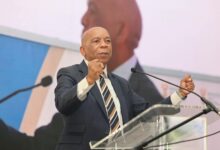
The Integrated Mineral Resources and Energy Policy (PIRME) was officially presented in Abidjan on November 9, 2026 by Minister of Mines, Petroleum and Energy Mamadou Sangafowa Coulibaly. Of the total investment, 30% is allocated to mining, while the remainder will support the wider hydrocarbons and energy sectors.
The funding model places a significant responsibility on private investors, who are expected to provide 88% of the required capital. The public sector will contribute the remaining 12%.
Through the policy, the government wants to establish mining, hydrocarbons and energy as a second economic pillar alongside agriculture. It aims to increase the combined contribution of these sectors to gross domestic product (GDP) from 7% in 2025 to approximately 14% by 2040.
The strategy places emphasis on developing infrastructure, processing more resources locally, introducing new technologies and increasing the participation of Ivorian businesses and workers in the extractive industries.
However, the government has also identified several issues that need attention if the sector is to achieve its targets. These include improving the organisation and professional standards of artisanal and small-scale mining, addressing the financial and operational sustainability of the electricity sector, and ensuring a reliable supply of petroleum products.