
Study on Kasiya rutile project in Malawi confirms multi-decade low-cost operation
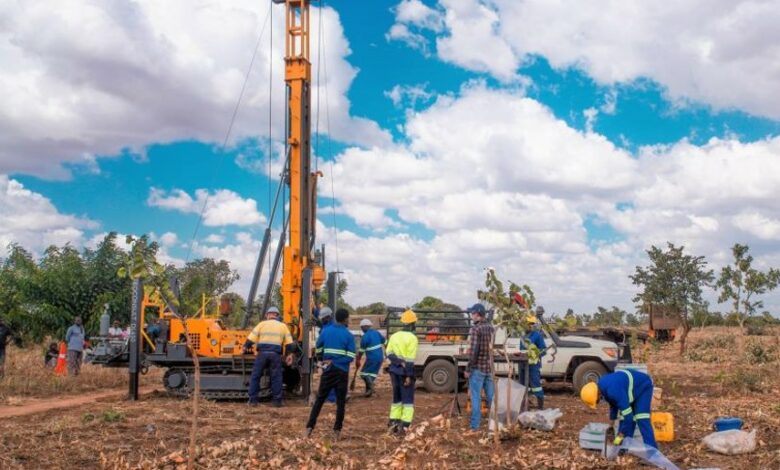
The initial scoping study on Kasiya rutile project, in Malawi, has confirmed a multi-decade operation providing a stable supply of rutile and graphite, while contributing significantly to the economy of Malawi.
Soverign Metals revealed the report and said the scoping study demonstrated positive results, including a 12-million-tonne-a-year operation producing 122 000 t/y of rutile and 80 000 t/y of graphite a year over a 25-year mine life.
Kasiya project
Kasiya is among the largest undeveloped rutile deposits in the world and is highly strategic in a market characterized by extreme supply deficit. Sovereign is optimistic about the exceptional economics, tax benefits and the benefits that come from a large-scale operation with a low-cost profile resulting from the deposit’s near-surface nature, grade and excellent existing infrastructure. It will also be a low-carbon operation, with the project to be powered entirely by renewables, such as hydro and solar power.
The initial scoping study demonstrated that Kasiya was a globally significant and strategic project with low capital costs and high returns, and that it was positioned as one of the world’s best undeveloped titanium minerals projects.

The life-of-mine is currently based off only 38% of the drill defined mineralised footprint. Therefore, Sovereign said substantial additional resource growth was expected this year. It believed that current global supply was declining, with very limited additional production in the pipeline. The severe structural supply deficit in natural rutile was therefore forecast by Sovereign to continue to widen in the medium to long term.