
Zambia’s Minister of Foreign Affairs and International Cooperation, Mulambo Haimbe, has publicly accused the United States of attempting to tie a proposed US$2 billion health assistance package to preferential access to the country’s vast critical mineral resources.
The unusually strong remarks come amid rising diplomatic tensions, prompted by comments made by outgoing United States Ambassador to Zambia, Michael Gonzales, during his farewell address on April 30, 2026, at the Ambassador’s Official Residence in Lusaka.
Gonzales had criticised corruption and governance failures in Zambia, particularly within the health sector, comments that the Zambian government described as “undiplomatic and inconsistent” and an unwarranted interference in the country’s domestic affairs.
In a detailed government response, Haimbe defended the administration of President Hakainde Hichilema, insisting that the government remains committed to fighting corruption while also safeguarding Zambia’s sovereignty and strategic interests.
“The Zambian government is clear that its primary responsibility is to the people of Zambia. While the Outgoing Ambassador seeks to paint a bleak picture about Zambia, the opposite is true,” said Haimbe. “First, President Hakainde Hichilema is on record as admitting that more needs to be done in the fight against corruption. Without question, the Zambian Government is under no illusion of the need for more effort to be put into ending endemic corruption in the health and other sectors.”
At the centre of the dispute is a proposed Health Memorandum of Understanding (MOU) under which the US reportedly offered up to US$2 billion in health sector support over five years.
According to Haimbe, negotiations over the agreement stalled because Zambia objected to several provisions in the draft proposal, including clauses related to data-sharing that the government believes could violate citizens’ constitutional rights to privacy.

“For clarity, the Zambian Government wishes to state unequivocally that the stalled negotiations on the Health MOU are as a consequence of the incorporation of terms that the Zambian Government considers unacceptable,” Haimbe stated.
“These matters are the subject of litigation in the Zambian Courts, and this must be respected.”
The minister further revealed that Zambia had also rejected aspects of a proposed critical minerals agreement with the US, arguing that Washington was seeking preferential treatment for American companies in accessing Zambia’s mineral wealth.
“Key among the reasons for Zambia’s reluctance to accept the terms of the proposed agreement is the insistence on preferential treatment of US companies over Zambia’s critical minerals,” Haimbe said.
“Rather, the Zambian Government rightfully takes the view, first and foremost, that Zambians must have a say on how her critical minerals are used, and second that no one strategic partner is to be treated preferentially to others.”
The comments offer a rare public glimpse into sensitive negotiations between Zambia and the United States as global powers intensify competition for access to critical minerals essential for the clean energy transition.
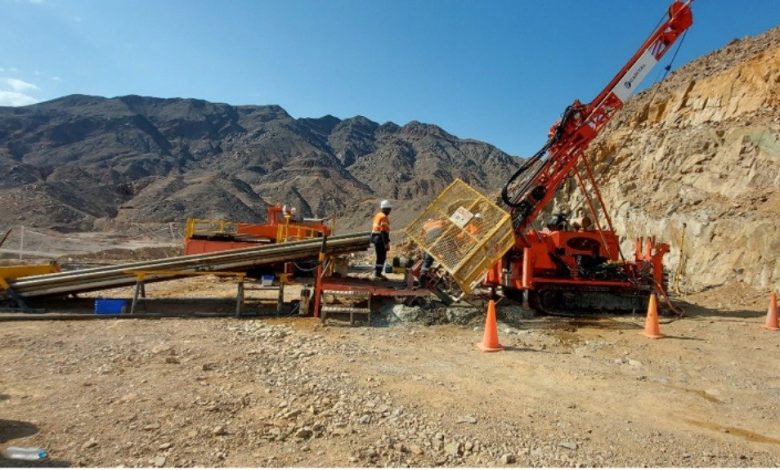
Zambia is one of Africa’s largest copper producers and is seeking to significantly expand output as demand surges for minerals used in electric vehicles, renewable energy infrastructure and battery technologies.
Western governments, including the US, have increasingly sought partnerships with African mineral-rich nations in an effort to diversify supply chains away from Chinese dominance.