The Madlanga Commission is shedding light not only on wrongdoing within the South African Police Service (SAPS), but also on criminal activity extending into key sectors of the economy, including mining.
Testifying this week, Hendrik Flynn, Component Head for Serious Organised Crime at the SAPS Directorate for Priority Crime Investigation, described illegal mining as a pervasive and deeply entrenched challenge.
Flynn said illegal mining is more widespread than commonly understood and often goes undetected. Once minerals are extracted unlawfully, they are frequently channelled into legitimate processing streams, effectively entering the formal economy through licensed refiners or processors.
He cautioned, however, against broad generalisations. He said while some licensed operators may be complicit, many mining companies continue to operate lawfully and uphold regulatory standards.

According to Flynn, the process typically involves intermediaries who facilitate the movement of illegally mined material through the supply chain. This material may ultimately be refined or exported, making detection increasingly difficult.
“The proceeds generated from such activities are often handled in cash or through informal channels, which obscures the origin of the material and the associated financial flows,” he said.
He said Gold, in particular, remains highly vulnerable to illicit trade. Its high value, portability and ease of concealment make it an attractive commodity for illegal operations. Once refined, it becomes virtually indistinguishable from legally mined gold, allowing it to seamlessly enter formal markets.
This lack of traceability presents a significant regulatory challenge. Sustained local and global demand for gold and other minerals continues to drive illegal mining activities, reinforcing a cycle that is difficult to disrupt.

Flynn further stated that refiners and processors may unknowingly acquire illicit material through intermediaries who misrepresent its origin. In some cases, illegally mined minerals are mixed with legally sourced material before refining, further masking their provenance.
“The refining process itself renders the material indistinguishable from lawfully sourced product, thereby facilitating its integration into the formal market. The proceeds from the sale of the material may then appear to be legitimate income,” he added.
The testimony raises critical questions about accountability within the sector. One of them is how regulators and industry players can ensure that licensed refiners adhere to strict sourcing standards and do not, whether knowingly or inadvertently, enable illegal mining.
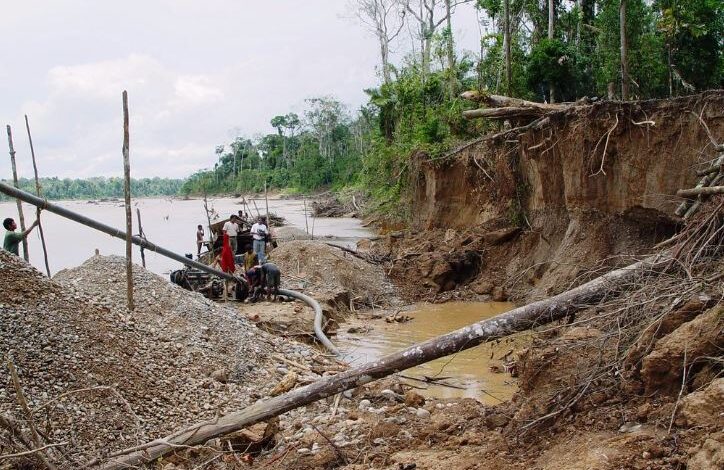
Beyond the economic impact, the consequences are increasingly being felt at community level. Residents of Ga-Nkoane in Limpopo have recently raised concerns about illegal mining activities taking place near their homes. With heavy rains affecting the area, these operations pose a serious risk, potentially destabilising the ground and increasing the likelihood of structural damage or homes being washed away.
Without addressing demand within formal channels, efforts to curb illegal mining may remain limited. As long as illicit material can enter legitimate supply chains, the incentive for illegal extraction is likely to persist.