As new technologies emerge, Africa’s mining sector is gradually shifting towards digital transformation, and its impact cannot be overlooked. In the mining sector, artificial intelligence (AI) is expected to reduce costs, enhance safety, improve efficiency, and lower the carbon footprint.
“While progress is uneven across the continent, there’s no doubt that digital tools are making operations smarter, safer, and more efficient – laying the groundwork for a more competitive and sustainable industry,” says Johan Coetzee, Strategy and Consulting lead for Resources at Accenture, Africa.
Due to the complexity of the industry, two approaches to digital transformation can be taken: Big Bang Transformation and Targeted Use Cases.
Big Bang Transformation involves implementing a fully integrated digital mine and embedding technology across the entire value chain. While this approach may seem appealing, it comes with a high cost and may not be practical for many African countries. This is because, despite being major producers of minerals, many African countries often face financial constraints compared to their counterparts in the Global North, who are more financially stable and, as a result, more technologically advanced.

The second approach is Targeted Use Cases, where technology is utilised to address specific challenges. This method is more suitable for African mining operations, as it enables rapid and cost-effective improvements, even if the successes are isolated.
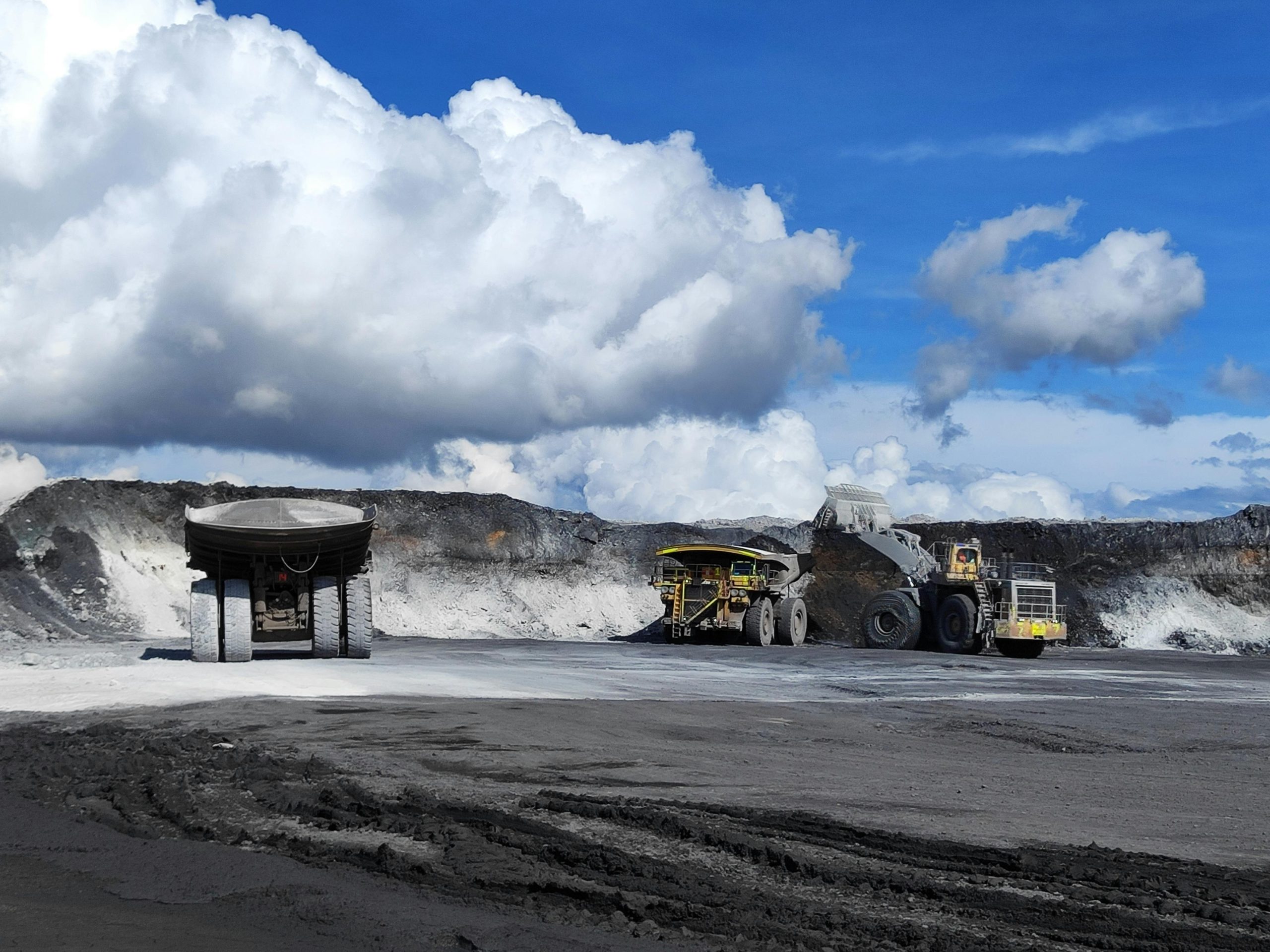
Rather than becoming fully integrated digital mines, mining companies in Africa should invest in technologies such as scanners, sensors, autonomous vehicles, and drones to minimise human exposure to hazards through surveillance and data-driven analysis.
Many regions in Southern Africa have already adopted robotics to reduce labour-intensive tasks and limit human exposure to hazardous environments, and are making steady progress in digital transformation.
At the Mining Indaba 2026 held in Cape Town earlier this year, the Minerals Council South Africa highlighted how digital solutions have contributed to improved safety outcomes. Fatalities in the sector have declined by 91% since 1994, with deaths dropping from 484 to 42 in 2024.
However, the same progress cannot be seen across the entire continent.
Western Africa appears to be advancing slowly, due to challenges such as low connectivity, inadequate infrastructure, and high data costs. However, Ghana shows positive progress, driven by increased investor interest and active mining operations, as it is one of the continent’s leading gold producers.
In Central Africa, the lack of AI-ready infrastructure and reliable broadband networks continues to delay the integration of transformative technologies.
Meanwhile, the struggle is deeper in Northern Africa as its digital economy remains underdeveloped, and cybersecurity concerns pose risks to potential investors.
To address these challenges, greater collaboration across the continent is necessary to promote sustainable and inclusive growth in the mining sector.
This can significantly enhance mining operations, particularly as Africa’s digital mining market is projected to grow from $111 million in 2023 to $440.7 million by 2033, reflecting the increasing adoption of advanced technologies.
Despite this progress, inadequate infrastructure remains one of the biggest barriers to digital transformation. Poor transport connectivity and unreliable electricity supply continue to limit growth. Additionally, a shortage of critical skills, such as data science and automation expertise, hinders effective implementation.
However, with a clear drive towards progress, digital transformation is steadily gaining ground, and investment in technology presents a significant opportunity for the future of mining in Africa.