LME includes artisanal mining to green register

The London Metal Exchange (LME) has included small-scale mining to green register. Georgina Hallett, LME chief sustainability officer during the launch of LMEpassport made the announcement and said the register will allow small scale miners to store sustainability credentials, such as carbon footprints and social impacts, plus other characteristics like purity, for metals trading on its platform.
The LMEpassport launched aims to clean up global supply chains and delist brands that are not responsibly sourced. It is the new electronic certificates of analysis (CoA) and digital credentials register from the London Metal Exchange. A key component of the LME’s sustainability strategy, LMEpassport is designed to provide participants with two key services:
- a digital store for electronic CoAs of metal physically delivered into and out of the LME ecosystem, replacing the current paper-based model
- a facility for recording information related to metals’ sustainability
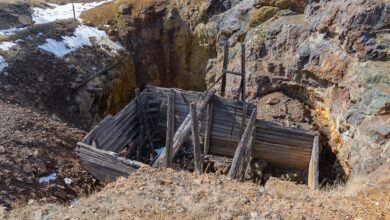
“LMEpassport will now also include standards regarding artisanal mining, which is an important source of income for about 150 million people worldwide. Artisanal mining is happening and excluding it from the legitimate supply chain isn’t helpful for those people. If we can provide proper due diligence, robust processes, we can genuinely improve things,” said Georgina Hallett.
The LME standards will currently focus on the Democratic Republic of Congo, which accounts for the bulk of global cobalt output, of which up to 35% is mined by small-scale miners, according to industry group the Cobalt Institute. There are also plans to achieve net-zero emissions for its own operations by 2040. The exchange will develop a full reduction target and roadmap, which will be submitted to a third party for validation within 24 months.