
Guinea bans raw gold exports to drive local beneficiation
President Mamadi Doumbouya says all gold must be refined domestically before export as Guinea seeks to capture more value from its mineral resources
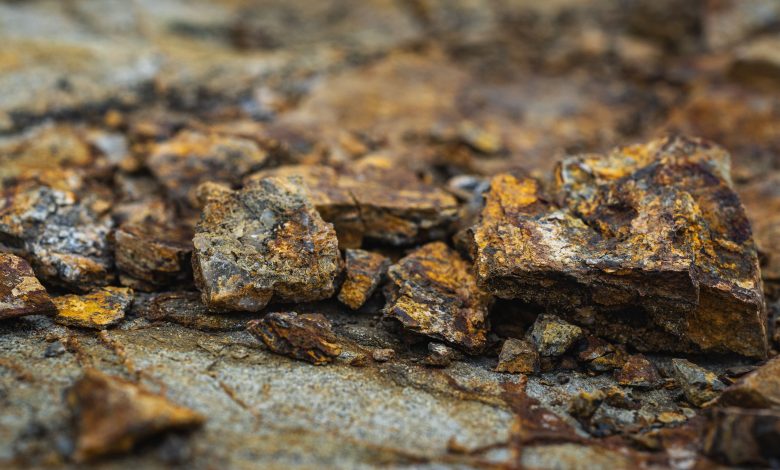
The President of Guinea, Mamadi Doumbouya, has announced a ban on the export of raw gold as the country moves to strengthen local mineral beneficiation and increase the economic value derived from its gold sector.
The decision was announced during a meeting with industrial and artisanal gold producers, as well as gold-buying offices operating in the West African nation. According to Doumbouya, the measure forms part of broader efforts to boost domestic processing capacity and retain more value within the country.
“Guinea has the second-largest gold reserves in West Africa, but its gold leaves the country daily in its raw state to be processed, certified and sold elsewhere,” Doumbouya said.
“I am putting an end to that starting today. Guinea will now require its gold to be processed within its own borders. Raw gold will no longer leave Guinea.”

Known as the world’s largest producer of bauxite, Guinea is also endowed with significant gold reserves. Doumbouya said future gold exports will only be permitted after the metal has been refined into ingots at a newly established processing facility in Conakry, the country’s capital.
“Guinean gold will be melted, certified and processed in Guinea before being exported to international markets,” he said.
He warned that operators who fail to comply with the new regulations will face severe penalties.
“Any operator who continues to export raw gold will have their licence suspended and their mining agreement terminated,” Doumbouya added.
The move reflects a growing trend among African resource-rich countries seeking to expand local beneficiation and capture a larger share of revenues generated from their mineral wealth.