

Reliable Logistics Partnerships Anchor South Africa’s Mining Supply Chains
Strategic logistics providers are emerging as stabilisers for South Africa’s mining sector amid global volatility and local infrastructure challenges
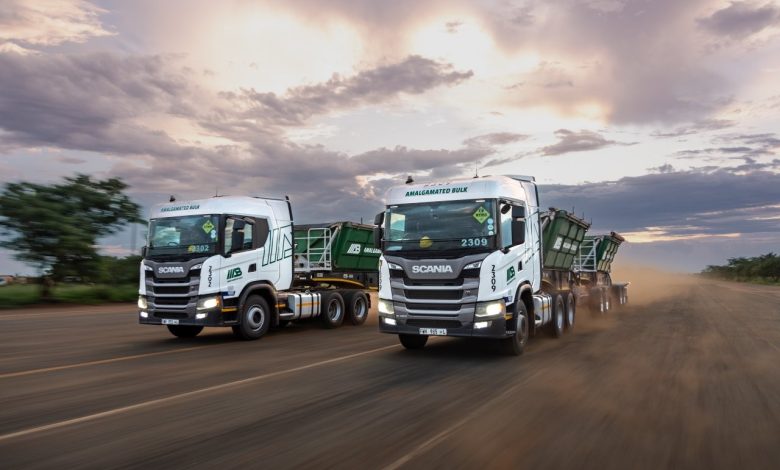
South Africa’s mining sector, contributing 6–7% to GDP and over half of merchandise exports, faces mounting pressures from global and local disruptions. According to Standard Bank Africa’s Mining Value Chains Indaba 2026 report, the industry’s future growth depends not only on mineral extraction but on the resilience of its logistics networks.
Geopolitical tensions, particularly in the Middle East, have destabilised global energy markets. Blockades in the Strait of Hormuz threaten oil and gas flows, driving fuel price volatility and impacting mining operations that rely heavily on energy. Rising transport costs, freight rate fluctuations, and shipping uncertainties ripple across the export chain, eroding competitiveness.
At the same time, demand for critical minerals such as manganese and chrome is intensifying, placing further strain on logistics systems. Domestically, infrastructure challenges persist. While improvements such as reduced load-shedding and private investment signal progress, rail underperformance continues to bottleneck bulk commodity exports, forcing greater reliance on road transport. Transnet’s reforms, including opening the rail network to private operators, promise long-term relief but require sustained investment and coordination.
In this environment, logistics partnerships are proving indispensable. Experienced providers like Reinhardt Transport Group (RTG) emphasise integrated corridor-based logistics, centralised fleet control, and route diversification to maintain continuity. Real-time visibility across fleet movements and collaborative planning with clients and ports helps mitigate delays and optimise efficiency.
“In this environment, the efficiency of mine-to-port logistics corridors has become a critical determinant of export reliability,” says Duhan du Plessis, Group Marketing Manager at RTG.
“Logistics providers with established corridor experience, regulatory insight, state-of-the-art security, fleet scale, and operational depth play a critical role in maintaining supply chain continuity.”
Long-term contracts and structured service frameworks provide stability, shielding mining companies from fuel price volatility and ensuring operational consistency. Route diversification across road and port options further buffers against infrastructure constraints, enabling cargo flow even when primary channels falter.
South Africa’s mineral reserves, including 37% of global manganese resources, position the country as a critical supplier in global value chains. As demand for these minerals accelerates, reliable logistics becomes a competitive advantage. For mining companies, logistics is no longer just about moving commodities; it is about safeguarding continuity, resilience, and growth in an unpredictable global market.
By anchoring supply chains with strong logistics partnerships, South Africa’s mining sector is better equipped to navigate volatility and seize opportunities in the next growth phase.