
Features
Fast Fuel Control, Real Savings, Zero Theft
Fuel Intelligence Is Now a Strategic Imperative for African Mining Operations
Across Africa’s mining sector, fuel has quietly become one of the most underestimated cost and risk factors in daily operations. While commodity prices, labour, safety, and compliance dominate boardroom discussions, fuel losses often remain hidden in plain sight—absorbed into operating costs, written off as shrinkage, or accepted as “the cost of doing business.”
Yet the reality on the ground tells a different story.
Fuel is no longer just an operational input. It is a strategic asset—one that directly affects profitability, uptime, safety, and sustainability. As mining operations expand into remote regions and logistical complexity increases, the ability to monitor fuel from delivery to burn has become critical.
This is where real-time fuel intelligence is reshaping the future of mining operations across the continent.
The True Cost of Fuel Loss in Mining
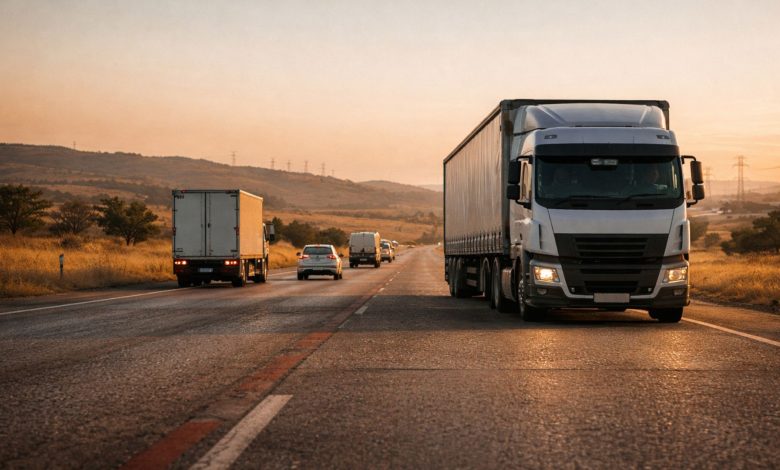
Mining fleets are among the most fuel-intensive assets in any industrial environment. From haul trucks and excavators to generators, bowsers, and light vehicles, fuel flows continuously through operations—often across vast, unsecured distances.
Traditional controls such as dipsticks, paper logs, manual reconciliations, and siloed tracking systems are no longer sufficient. These methods are reactive by nature, prone to manipulation, and blind to real-time losses.
Fuel theft, unauthorised siphoning, inaccurate refuelling, short deliveries, and inefficient consumption patterns collectively cost mining operations millions each year. Worse still, these losses often go undetected for months—only surfacing during audits or after margins have already been eroded.
In an industry where margins are under constant pressure, this level of exposure is no longer acceptable.
From Guesswork to Intelligence: The Shift to Real-Time Fuel Visibility
Modern mining operations require continuous, verifiable fuel visibility—not estimates, assumptions, or retrospective reporting.
Advanced fuel intelligence platforms now enable operators to:
- Track fuel from delivery point to final burn
- Monitor live bowser activity and vehicle consumption
- Detect anomalies, leaks, or unauthorised usage instantly
- Reconcile fuel volumes automatically across sites
- Link fuel usage directly to specific assets, operators, and routes
- Refuelling outside approved zones
- Fuel flow when engines are off
- Unexpected drops in tank levels
- Bowser activity outside scheduled hours
- Consumption patterns that deviate from norms
- Identification of inefficient driving or idling behaviour
- Optimised refuelling schedules
- Reduced mechanical wear linked to improper fuel use
- Improved maintenance planning
- More accurate forecasting and budgeting
- Transparent operational controls
- Responsible resource usage
- Reduced environmental impact
- Strong internal governance systems
- Remote locations
- Extreme climates
- High-risk environments
- Multi-site, cross-border operations
- Smarter dispatch decisions
- Accurate cost-per-ton calculations
- Improved asset utilisation
- Reduced downtime
- Enhanced safety oversight
- Tight cost control
- Reduced losses
- Data-driven decision-making
- Transparent reporting