South Africa is taking further steps towards developing its green hydrogen industry, with government looking at ways to make it easier for private investors to get projects off the ground.
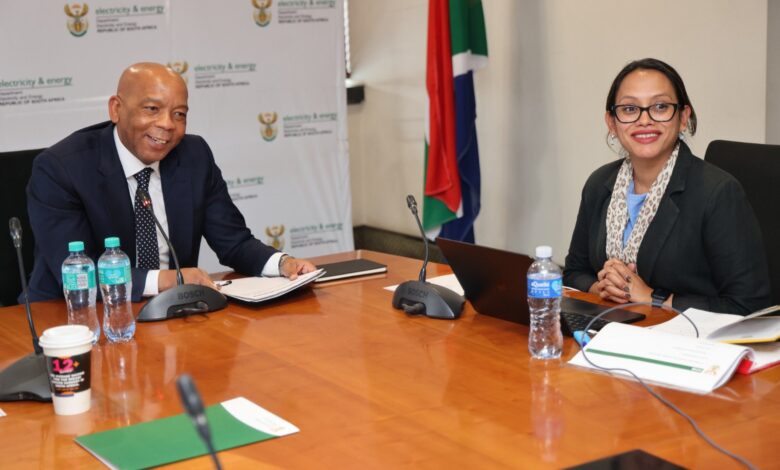
Earlier this week, Deputy Minister of Electricity and Energy Alexandra Abrahams met with the management of Phelan Green Group, which is working towards developing Western Cape’s first private-sector green hydrogen plant in South Africa.
The meeting focused on how government can help create an environment that supports investment and growth in what is still a fledgling industry.
“We must ensure that government is making it as easy as possible for investors to get projects in the green hydrogen industry going,” said Abrahams.

“Today’s engagement made clear the potential that this industry holds for job creation in South Africa, and it is a unique opportunity that must not be missed. Across all levels of government, the regulatory system must work to the benefit of the people.”
Green hydrogen is increasingly being explored as part of the global transition towards cleaner energy. It has the potential to help reduce greenhouse gas emissions, decarbonise energy-intensive industries and support the shift away from more carbon-intensive energy sources.
South Africa, with its renewable energy resources and growing interest in green hydrogen projects, is positioning itself to become a significant player in the emerging industry.
Abrahams said the development of the sector also presents an opportunity to build the skills needed to support it, particularly among young people living in communities surrounding new projects.
“Green hydrogen is an emerging industry, which gives us an opportunity to develop the skills pipeline from the outset. We want South Africans, particularly young people in communities surrounding these projects, to acquire the technical skills that will allow them to participate in this new industry,” he said.
According to Abrahams, government’s broader focus remains on expanding access to electricity and reducing energy costs for households and businesses.
“As government, we are creating the conditions for these investments to proceed while ensuring that environmental and community interests are properly addressed,” he said.
“Ultimately, our work must contribute towards a more affordable, secure and sustainable energy system that delivers tangible benefits for South African households and businesses.”
Last week, Sasol hosted President Cyril Ramaphosa to brief him on the company’s plans to strengthen the long-term sustainability of its integrated value chain through renewable energy, lower-carbon technologies and innovation.