Coega Steels expansion set to create 600 jobs in Nelson Mandela Bay
The R500-million rolling mill will allow the Eastern Cape steelmaker to produce finished steel products locally, while expanding its workforce and investing in renewable energy
Unemployment is set to decrease in South Africa’s Nelson Mandela Bay in the Eastern Cape as Coega Steels aims to create 300 direct jobs through its latest expansion.
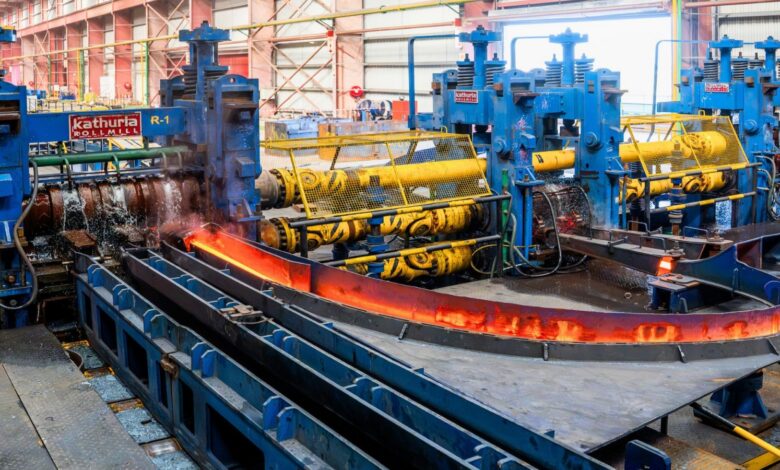
The steelmaker has officially opened its new rolling mill at the Coega Special Economic Zone (SEZ) as part of its R500-million investment in expanding its steel production capabilities.
The investment includes R360 million for the rolling mill, as well as additional refining processes at the company’s existing melting facility. This brings its total investment at its Zone 6 premises to R1.5 billion.
The new mill allows Coega Steels to process steel billets made from recycled scrap metal into finished products for the construction, manufacturing, engineering and infrastructure sectors.
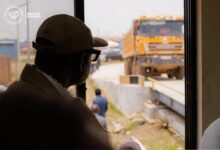
With an annual production capacity of 150,000 tonnes, the facility will produce reinforcing bars, angles, square bars, round bars and flat bars.
Coega Steels director Amit Saini said the investment would help address the Eastern Cape’s reliance on finished steel products supplied from other parts of the country.
The absence of a rolling mill in the province had made it difficult for the company to compete in certain domestic markets, as transporting billets to processing facilities elsewhere increased costs.
“With the rolling mill, we can supply the Eastern Cape market and the coastline directly from Nelson Mandela Bay,” Saini said.
The new facility is expected to employ about 300 people, with some positions already filled and the remaining jobs expected to be taken up by the end of the year.
Coega Steels’ overall workforce is projected to increase from approximately 750 to 900 employees over the next year. Its operations also support more than 2,000 indirect jobs.
Saini said between 70% and 80% of the rolling mill’s workforce would be South African, with the remaining positions filled by skilled employees recruited from overseas.
The company plans to continue developing local skills to enable more South African employees to operate the plant independently.
“We have developed a lot of skills locally over the years and I’m sure that in the coming years we’ll train more locals and upskill them to run the plant independently,” he said.