Botswana wants mining companies to build local businesses, not just award contracts
Minerals and Energy Minister Bogolo Kenewendo is pushing mining companies to show how their operations are building sustainable citizen-owned businesses and industrial capacity
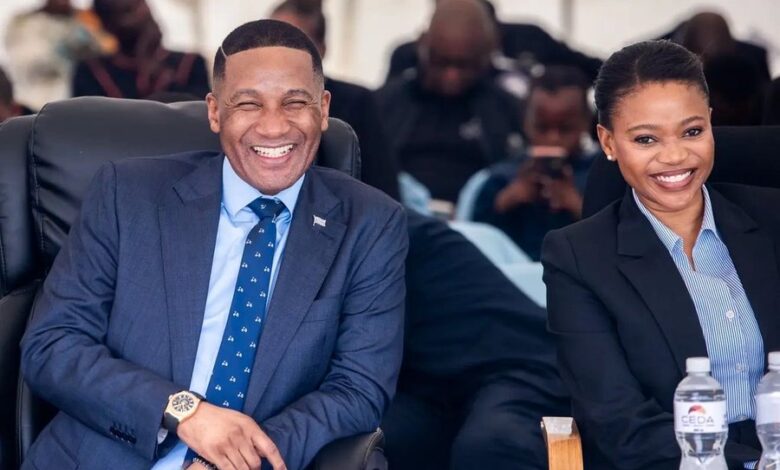
Botswana is raising the bar for citizen economic empowerment in the mining industry, with Minerals and Energy Minister Bogolo Kenewendo calling on mining companies to do more than award contracts to local businesses.
During a visit to Morupule Coal Mine this week, Kenewendo challenged mining operators to demonstrate how their activities are building businesses with the skills, capital and experience to compete for major contracts within Botswana and beyond.
According to Dikgang Newspaper, the minister said mining companies would increasingly be judged not only on production, royalties and procurement figures, but also on the value and capabilities they leave behind in Botswana.
“The question I am now asking every operator in this country is what value are you retaining here, and what capability are you building here,” she said.

Kenewendo’s visit toc followed a commitment made a year earlier, when she gave the mine’s leadership time to demonstrate tangible results from its Citizen Economic Empowerment Programme.
“I asked to see what your Citizen Economic Empowerment Programme would look like a year on, not on paper, but in the businesses it has supported, the jobs it has created and the capabilities it is building. I am here today to collect on that.”
During the visit, Kenewendo inspected citizen-owned engineering companies, chemical suppliers and technical service providers operating within Morupule’s supply chain.
However, she stressed that simply winning contracts from a mine should not be the end goal.
The minister wants citizen-owned companies to develop into sustainable businesses capable of competing for contracts across Botswana’s mining industry, rather than remaining dependent on individual mines for work.
This could also open opportunities for local companies to develop the technical expertise and commercial track record needed to eventually compete in regional and international markets.
“Motswana oa kgona is not a slogan I am borrowing for today,” she said. “It describes what I expect from every operator with a licence to extract this country’s resources.”
Building beyond the mine
Kenewendo’s message points to a broader shift in how Botswana is approaching the economic benefits of its mineral resources.
While local procurement can create opportunities for citizen-owned businesses, the minister is calling for a longer-term focus on building companies that can stand on their own and compete beyond the mine where they secured their first contract.
For mining companies, this means demonstrating that citizen economic empowerment programmes are translating into sustainable businesses, jobs and technical capabilities rather than remaining commitments on paper.
For Botswana, the objective is to ensure that mining contributes to the development of businesses and skills that remain in the country even after the minerals have been extracted.
The approach could have implications across the mining supply chain, particularly for engineering, maintenance, chemicals, technical services and other areas where local companies can develop specialised capabilities.
Kenewendo’s message is therefore less about the number of contracts awarded and more about what those contracts help local businesses become.
The challenge for mining companies will be to show that their procurement and empowerment programmes are creating businesses capable of growing beyond individual mine sites and contributing to a broader mining supply industry in Botswana.