
AFSA Reports Rise in Energy Arbitrations as South Africa Accelerates Renewable Transition
Johannesburg Arbitration Week 2026 to tackle bankability, cross-border risks, and dispute resolution in Africa’s evolving energy sector
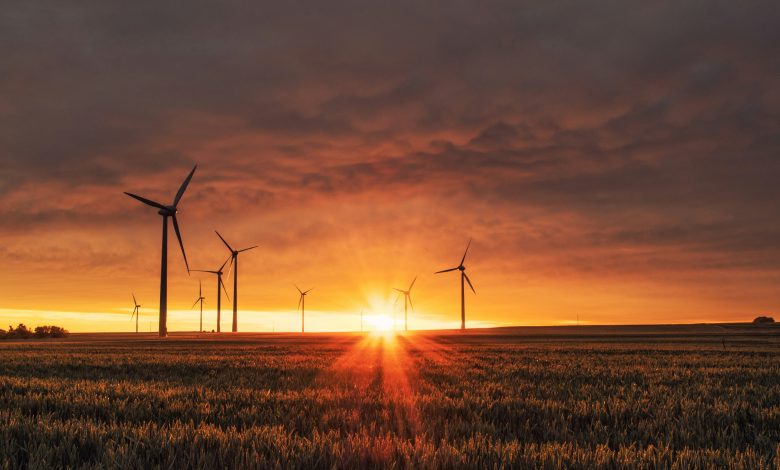
Amid South Africa’s accelerating shift from coal to renewable energy, the Arbitration Foundation of Southern Africa (AFSA) has reported a notable uptick in arbitrations within the energy sector.
“During May this year AFSA’s Johannesburg Arbitration Week (JAW) 2026 will be the gathering place for energy players to strengthen their positions,” states AFSA CEO, Andile Nikani. He notes that the conference will deliver actionable intelligence through sessions focused on “Bankability and enforcement in cross-border energy projects” and “Energy transition disputes: Lessons from Africa and beyond”, directly addressing the enforceability gaps that continue to undermine the bankability of African renewable energy deals.
“As the National Energy Regulator of South Africa continues to fast-track grid access and competition exemptions enable distressed industries to collectively procure power, cross-border independent power producers could face acute risks, including contractual uncertainty, government counterparty exposure and political volatility, all eroding project bankability and Just Energy Transition funding,” he adds.
With this year’s JAW theme, Arbitration In A Fragmented Global Order: The Future Of Trade, Investment And Sustainable Development, energy leaders can expect insights into how well-drafted arbitration clauses can safeguard investments, protecting power purchase agreements from delays and change-in-law claims.

“Case studies will reveal enforcement strategies that help mitigate political risk, strengthening the bankability of sovereign-linked assets, while attendees can look forward to receiving exclusive insights to position their projects as the “low-risk” choice for financiers navigating Africa’s evolving dispute resolution landscape,” Nikani highlights.
Investor-state tensions, exemplified by cases such as the Thabametsi Power Project, where climate policy obligations collided with fossil fuel investment protections, underscore the need for robust dispute resolution and enforcement mechanisms.
“Just Energy Transition Partnership funding and South Africa’s Renewable Energy Independent Power Producer Procurement Programme’s bids benefit from predictable dispute resolution to attract capital, and JAW 2026 will set out to provide answers to burning questions in this sector,” Nikani concludes.
JAW will take place from 5–7 May at the Sandton Convention Centre.