
Ghana’s proposed mining royalties spark global pushback and industry concerns
Mining companies and foreign diplomats warn that Ghana’s 9–12% royalty proposal could make it one of Africa’s costliest jurisdictions and squeeze profit margins.
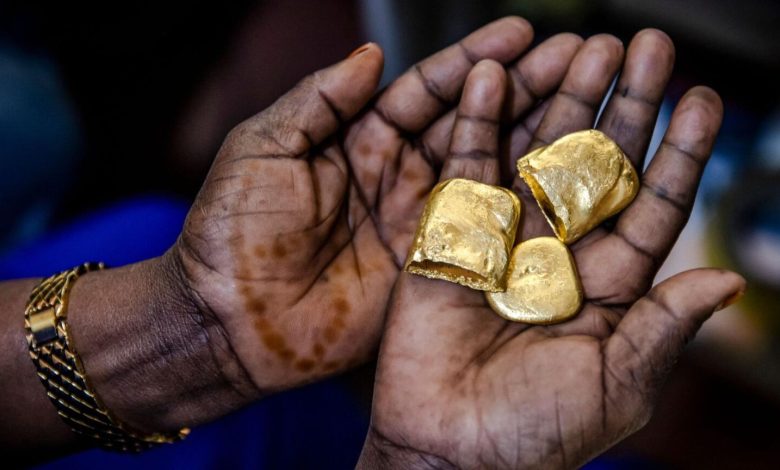
Mining companies have warned that the upper end of Ghana’s proposed new royalty regime could make the country one of the most expensive mining jurisdictions in Africa, significantly squeezing profit margins.
The government plans to raise gold production royalties to a sliding scale of 9–12%, up from the current 3–5%, alongside stricter local content rules. Mining firms have criticised the proposed rates as excessive and submitted proposals for lower royalties.
In January, Business Insider Africa reported that the government had cancelled several long-term mining agreements and increased royalties on gold production, reflecting a shift toward capturing a larger share of revenue from soaring commodity prices.
The bill proposes a royalty formula that starts at 9 per cent and rises to 12 per cent if gold prices exceed $4,500 per ounce. The reforms also include stricter local-content requirements for in-country procurement and enhanced support for Ghanaian firms.

However, mining companies argue that the revised royalty structure remains too steep. Global mining executives, including leaders from Newmont, Gold Fields, AngloGold Ashanti, and Perseus, reportedly raised concerns directly with Ghana’s lands minister in letters and meetings held between December and January. Chinese-owned firms such as Zijin Mining, Chifeng Gold, and Shandong Gold have also formally protested the proposal.
Diplomatic pressure intensifies
The debate has triggered diplomatic intervention from multiple countries. In addition to the United States and China, diplomatic missions from the United Kingdom, Canada, Australia, and South Africa have raised concerns, warning that the new framework could create a more difficult operating environment for mining companies.
The UK, Canadian, and Australian High Commissions, as well as the U.S., South African, and Chinese embassies in Accra, did not immediately respond to requests for comment.
Broader African trend
Ghana’s proposed reforms reflect a wider shift across Africa, where governments are seeking greater control over strategic mineral resources and a larger share of the revenues generated from them, particularly as global commodity prices remain elevated.
In parts of West Africa, including members of the Alliance of Sahel States (AES) and other resource-rich nations, discussions around nationalisation and increased state participation have gained momentum. Governments argue that such measures are necessary to ensure that mineral wealth translates into meaningful domestic economic benefits rather than primarily enriching foreign mining companies.