

Ivanhoe reports Q3 production results from Kamoa-Kakula, Kipushi Zinc Mine
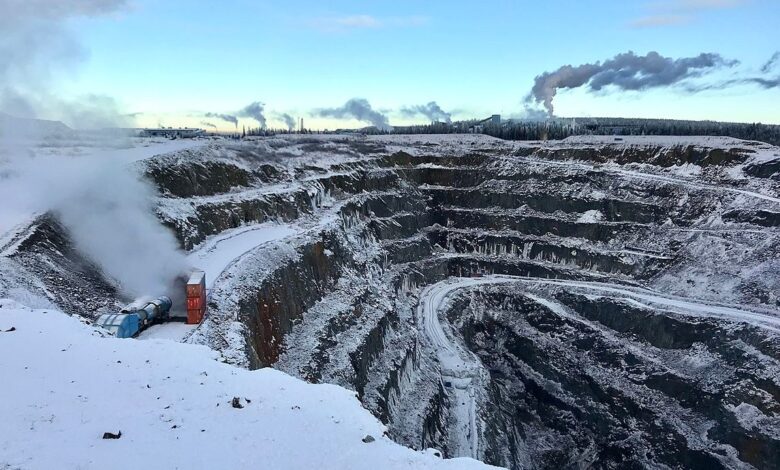
Ivanhoe Mines has announced a productive third quarter for its Kamoa-Kakula Copper Complex and Kipushi Zinc Mine in the Democratic Republic of the Congo (DRC), achieving record outputs and notable developments.
Executive Co-Chair Robert Friedland and President Marna Cloete made the announcement and said Kamoa-Kakula produced a record 116,313 tonnes of copper in concentrate in Q3 2024. Year-to-date, it has produced 303,328 tonnes.
A record 40,025 tonnes of copper were produced in September, with a peak daily production rate of 1,460 tonnes by the end of the month. Phase 1 and 2 concentrators processed 2.2 million tonnes of ore at an average feed grade of 4.9% copper and a recovery rate of 86.6%.
Phase 3 concentrator, which began production in June 2024, processed 1.1 million tonnes of ore at an average feed grade of 2.6% copper, achieving 22,099 tonnes of copper with a recovery rate of 79.9%. Following the commissioning of fine-grinding mills, the concentrator improved its recovery rate to 84%, nearing the target of 86%.

Timeliness and target
The on-site backup power generation was increased to 135 MW, with plans to reach 201 MW by year-end to ensure operational reliability. Imported power from Zambia stood at 65 MW, with negotiations ongoing to raise it to over 100 MW. Construction of Kamoa-Kakula’s 500,000 tonnes per annum smelter remains on schedule for completion by the end of 2024.
Kipushi’s concentrator on the other hand produced 17,817 tonnes of zinc in concentrate from 88,000 tonnes of stockpile ore, with a feed grade of 27.1% zinc and a recovery rate of 72.0%. The ramp-up was slower than expected due to higher iron content in the ore, issues with fines affecting throughput, and local grid infrastructure limitations. By the end of September, the concentrator was operating near its nameplate throughput of 83 tonnes per hour, and metallurgical recoveries improved to over 90%.
By the end of Q3, 360,000 tonnes of ore were stored, with 150,000 tonnes averaging 30% zinc. Engineering and procurement for the debottlenecking program are underway, targeting a 20% increase in processing capacity by mid-2025.
The 2024 guidance has been revised due to intermittent grid power prior to the increase in on-site generation and the ongoing ramp-up of Phase 3. The production target will be re-assessed as Kamoa-Kakula moves closer to steady-state production. Full-year guidance for Kipushi Zinc Mine was reduced from 100,000 – 140,000 tonnes of zinc in concentrate to 50,000 – 70,000 tonnes, as work continues to address throughput and recovery issues.