
Progress update for Dasa uranium mine in Niger released
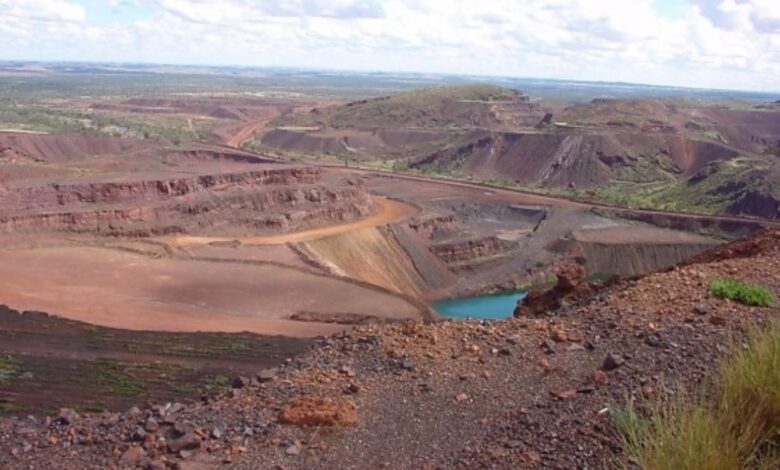
Global Atomic has released progress update for Dasa uranium mine in Niger citing rise in shares. The firm saw a 10.5% rise in its share price despite challenges in the country following a military coup.
The Dasa project has made significant strides with over 1,200 meters of mine development now completed, and the company is segregating ore into different grades ahead of the planned commissioning in late 2025. The Dasa underground mine, with a capex of $425 million, has already advanced 1,200 meters deep.
Global Atomic’s CEO, Stephen Roman, expressed optimism about the progress, highlighting the ongoing site preparations and the installation of key components, such as an acid plant. The company is also collaborating with a committee from Niger’s government to expedite mining-related processes.
Goals
Despite these positive developments, Global Atomic’s stock is still down by 53% from its earlier performance, reflecting broader challenges in Niger following a military coup. While Global Atomic’s Dasa mine is receiving government support, other uranium developers, have faced setbacks, with the Nigerien government revoking permits for major projects.

Amid rising uranium prices, which have recently increased to $82 per pound, Global Atomic’s progress at Dasa is crucial. The mine is expected to produce up to 68.1 million pounds of uranium oxide over a 23-year lifespan, with production beginning in 2026. Equipment for the processing plant is being delivered through Nigeria, and the workforce at Dasa is set to expand significantly as construction ramps up.
A major part of the financing comes from a $295 million loan pledge from a U.S. development bank, which will cover 60% of Dasa’s project costs, with confirmation expected soon. Global Atomic is also exploring joint venture opportunities and has secured offtake agreements for 1.3 million pounds of uranium per year.
Niger, which supplies around 5% of the global uranium market, has become a critical region for uranium production despite its political challenges. The successful advancement of Dasa is an important signal for both the company and the broader uranium industry.