
World Bank approves US $103.M to reverse Ghana’s land degradation
The World Bank has approved US $103.4 million for Ghana to reverse degraded landscapes and strengthen the country’s integrated natural resource management.
Mr Pierre Laporte, World Bank Country Director for Ghana announced that the Ghana Landscape Restoration and Small-Scale Mining project will focus on land-use planning for integrated landscape management and promote sustainable mining by helping formalize artisanal and small-scale mining, with over 250,000 people as direct beneficiaries.
According to the bank, the cost of environmental degradation in Ghana due to unsustainable use of land for agriculture, forests, and mining, stood at 2.8% of GDP (2017) and if the current natural resource extraction persisted, Ghana’s natural resource base would be destroyed over the long term, with fewer opportunities to sustain growth and shared prosperity.
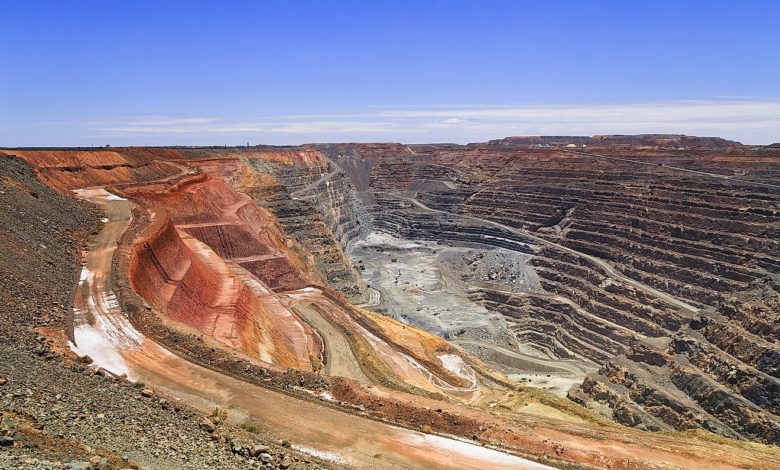
World Bank’s Forest-Smart Mining Initiative
“The project will help boost post-COVID-19 economic recovery, create jobs and secure livelihoods in some of the poorest parts of Ghana by focusing on agricultural productivity, ecosystems management and sustainable small-scale mining,” said Mr Pierre Laporte.

“The project aims to place landscapes and mining sector management on a path that would transition from degraded landscapes, poverty, and low productivity toward one of the resilient landscapes that optimize the ecosystem functions for better livelihoods and more sustainable economic returns,” said Mr Sanjay Srivastava, World Bank Practice Manager, Environment, Natural Resources and Blue Economy.
The statement said the project would also enhance women’s role in local-level forest and landscape management activities, and create better income-generating opportunities.
“This joint project aligns with the World Bank’s Forest-Smart Mining Initiative and will promote forest-smart interventions in the artisanal and small-scale mining sector and strengthen regulatory compliance and sustainable mining practices,” said Mr Zubin Bamji, World Bank Acting Practice Manager, Energy and Extractives Global Practice.
The financing includes an IDA credit of $75 million and $28.4 million in grants from the Global Environmental Facility, the Extractive Global Programmatic Support, and the Global Partnership for Sustainable and Resilient Landscapes (PROGREEN) multi-donor Trust Funds.