
Syrah Resources signs 7-year Graphite Supply deal with NextSource for Balama Mine
Agreement secures up to 68,000 tonnes for planned UAE anode plant

Australian miner Syrah Resources announced on Monday, March 2, that it has signed a supply agreement with Canada’s NextSource Materials covering graphite shipments from its flagship Balama mine in Mozambique.
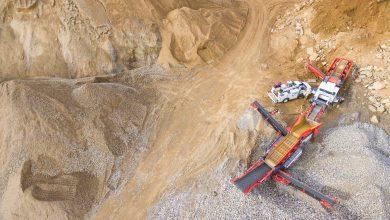
The Balama operation, located in northern Mozambique, is the largest graphite mine in Africa, with a nominal production capacity of 350,000 tonnes per year. Operated by Syrah, the mine plays a strategic role in global graphite supply chains, particularly for battery and energy storage applications.
Under the seven-year agreement, NextSource has committed to purchase between 34,000 and 68,000 tonnes of graphite starting June 1. The material will supply a large-scale anode production plant that NextSource plans to develop in the United Arab Emirates. Sale prices will be determined quarterly by mutual agreement and adjusted for product quality and freight costs, according to Syrah.
The agreement comes at a time when Balama is operating below its nameplate capacity due to weak global demand and subdued graphite prices. In response to challenging market conditions, Syrah has been running the mine in campaign mode, scaling production in line with customer demand and well below its nominal capacity.

For NextSource, the deal is aimed at securing long-term feedstock for its planned UAE anode facility, complementing output from its Molo graphite mine in Madagascar.
The supply agreement is conditional on the commencement of commercial production at the UAE plant, which is currently in pre-development. NextSource has indicated that it expects to take a final investment decision soon to advance the project into construction.
Additionally, the use of Balama graphite in the UAE facility will require approval from the plant’s future customers, reflecting the stringent qualification processes typically associated with battery supply chains.
The partnership underscores the strategic importance of African graphite assets in the evolving global battery materials market, as producers and developers position themselves to meet future demand tied to electric vehicles and energy storage technologies.