
Strengthening mining value chains to maximise Africa’s mineral resources
Unlocking Africa’s mineral potential with strategic partnerships and modern infrastructure
With global investment in Africa’s mining sector having dipped in recent years, industry players, governments, and communities must work together to restore investor confidence in a region with massive mineral potential.
One of the clearest messages from this year’s Investing in African Mining Indaba was that Africa’s mining challenge is no longer about resource availability but rather about execution.
While the continent has abundant reserves, capital follows certainty, aligned infrastructure, and credible partners, the pillars of effective execution. What stood out particularly at the Indaba is that mining strategies disconnected from infrastructure realities are becoming unviable. Where energy, rail, ports, and industrial zones are aligned, mining and beneficiation follow. Where they are not, value continues to leak offshore.
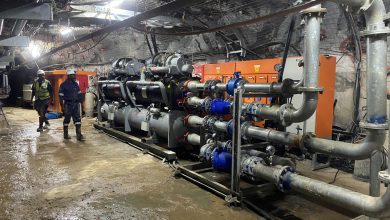
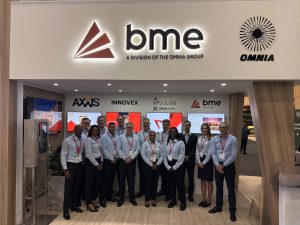
This is the context in which we understand our role as BME, a division of the Omnia Group. Through our growing presence in Africa, where we supply high-quality, precision blasting and metallurgical solutions, we help enable this critical alignment. We do this by combining technical capability, local presence, and long-term partnerships that support sustainable mining outcomes across the continent.
BME’s Evolving Role
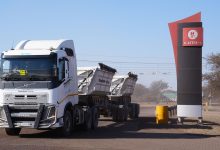
We believe mining in Africa is moving away from a volume-driven growth model toward one focused on quality, resilience, and integrated value chains. By offering the same high level of blast quality anywhere in Africa, we help customers drive down production unit costs with our customized solutions. Strong supply chains, ensuring streamlined mining operations, are also a vital aspect of the relationships we have built as a strategic partner to our African mining customers.
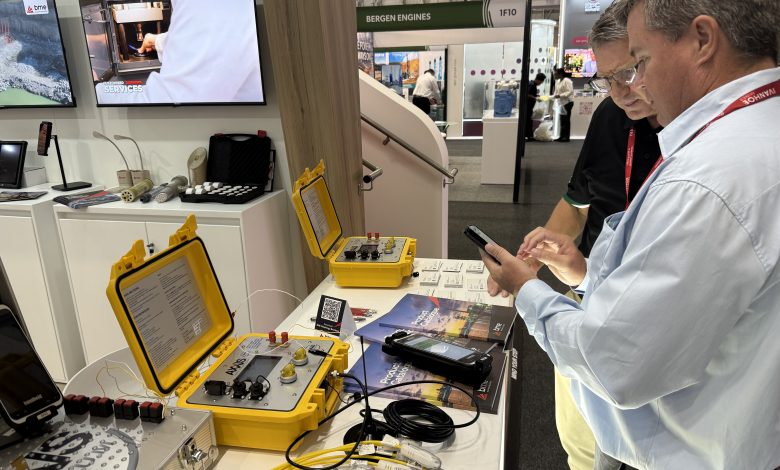
Our embrace of new technology applications, including artificial intelligence, allows us to drive greater collaboration with technology companies. This positions BME to support customers’ efforts to better control and monitor their blasting and mineral processing activities.
Customers’ strategic partnerships with BME also contribute to their environmental, social, and governance goals, enabling mining houses to meet greenhouse gas reduction targets and ensure the safety of community water supplies.
Partnering for Success
This year’s Mining Indaba once again reinforced that successful mining in Africa increasingly depends on the quality of technology providers and supply partners. This applies at all points in a project’s lifecycle. In many of the discussions we participated in, the message was clear: poorly structured or purely transactional partnerships are a source of risk.
Conversely, carefully chosen long-term partnerships with the right companies offer miners a competitive advantage. As this message is increasingly adopted, it moves the industry away from short-term, asset-centric thinking toward integrated, outcome-driven collaboration.
Another key takeaway was that, rather than focusing solely on individual disciplines, many discussions centered on how mining majors are managing overall execution risk. Mining companies are backing partners, technologies, and operating models that improve predictability, reliability, and cost control. This aligns with our experience in Africa, where steady growth has been based on consistently delivering these benefits.
Generating Shared Value
It was clear from most of the Indaba speakers and sessions that the diversity, complexity, and expanse of Africa’s mineral wealth require better collaboration from all parties. There is general acceptance that the sector is expected to mine the continent’s resources responsibly and manage them equitably and sustainably. This approach protects the continent’s interests, ensuring maximum benefit and value from what is rightfully its own.
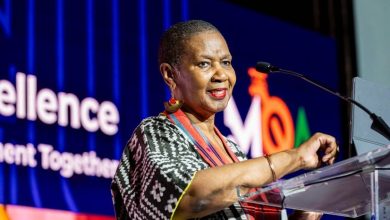
South Africa’s Minister of Minerals and Petroleum Resources, Gwede Mantashe, spoke at the Indaba about licensing bottlenecks and the slow pace of finalizing the new mining cadastre. These delays are clearly impacting investment and mining activity in the country. Infrastructure gaps in energy and logistics are further inhibiting the mining and exploration sector, which is critical to the growth and development of the overall mining environment.
Investors are choosing jurisdictions that can align resources with power, logistics, and regulatory certainty. Until it establishes a reliable cadastre, South Africa risks losing investment to West and East Africa, where regulatory frameworks and infrastructure are improving. Countries such as Namibia and Botswana are increasingly viewed as stable, well-governed options for mining investors.
Stronger Together
Alongside its focus on deal-making, the Mining Indaba serves as a platform for industry stakeholders to share perspectives on policy developments, capital allocation, and the future direction of mining. The depth and maturity of discussions over recent years, combined with the scale and diversity of participants, from governments and financiers to major miners and technology providers, have entrenched its role as the forum where Africa’s mining narrative is set.
This year, the ‘Stronger Together’ theme of the Indaba served as a clarion call to miners, financiers, and governments that partnerships are no longer optional. They matter more than ever and are both a commercial and social imperative.
For companies operating across the mining value chain, the conference is valuable not only for understanding what is happening today but also for anticipating where capital and policy are moving next.