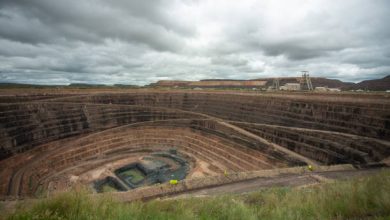

South Africa’s mining sector charges into 2026 on a golden run
Surging metal prices and policy reform hopes fuel optimism for South Africa’s mining sector in 2026

South Africa’s mining industry has entered 2026 with renewed confidence, buoyed by surging precious metal prices, rising global demand for critical minerals and the promise, if not yet the certainty of long-awaited regulatory reform.
After years of volatility, the sector is enjoying one of its strongest periods in decades, even as familiar challenges threaten to temper the optimism.
Over the past year, escalating geopolitical tension between major global powers has intensified the race for strategic resources.
This scramble has pushed prices of copper, gold and platinum group metals (PGMs) to historic highs, propelling the JSE’s precious metals and mining index to triple in value.
With uncertainty continuing to dominate global markets, safe-haven demand for metals such as gold remains robust, setting the stage for another strong year, provided policy uncertainty and illegal mining do not undermine progress.
A race toward a R1-trillion valuation
For the first time, locally listed mining companies are edging closer to the elusive R1-trillion market capitalisation milestone.
Among them, AngloGold Ashanti is leading the charge. With a valuation approaching R750 billion, the gold producer has been supercharged by record bullion prices and an aggressive offshore expansion strategy.
Its share price surged by an extraordinary 250% last year, making it one of the standout performers on the JSE.
Gold Fields is close behind. The miner capped off a stellar 2025 with two major acquisitions valued at R44 billion and R25 billion, expanding its global footprint and investor appeal.
Its market capitalisation peaked at R728 billion in October, reflecting strong earnings and sustained confidence in the gold price outlook.
PGM producer Valterra Platinum has also emerged as a heavyweight. Riding elevated platinum prices and optimism surrounding its separation from Anglo American in mid-2025, Valterra crossed the R400 billion mark for the first time this week, after adding nearly R240 billion in value over the past year.
Anglo American’s complex year ahead
While peers bask in market momentum, Anglo American faces a more complicated 2026.
Central to its strategy is a proposed merger with Canada’s Teck Resources, aimed at creating a $53 billion copper giant.
Although shareholders and Canadian regulators have approved the deal, outstanding regulatory hurdles could take another year to resolve, leaving the transaction vulnerable to rival interest and shifting market dynamics.
Internally, Anglo’s restructuring plan has also hit obstacles. The group continues to search for a buyer for De Beers, while the collapsed sale of its Moranbah North coal mine could spark an expensive legal dispute with US-based Peabody Resources.
These challenges underscore the delicate balancing act facing one of the world’s largest diversified miners.
Policy reform: promise and uncertainty
Regulation will remain firmly in the spotlight this year. The proposed Mineral and Petroleum Resources Development Amendment Bill of 2025 represent the most significant overhaul of mining legislation in more than 20 years.
While the bill is intended to reinvigorate exploration and unlock foreign investment, critics argue it falls short of resolving long-standing policy uncertainty.
Mining minister Gwede Mantashe has also renewed commitments to introduce an online licensing system to streamline prospecting rights.
However, repeated delays have left investors cautious, keen to see tangible progress rather than promises.
Gold’s revival and the exploration opportunity
South Africa’s gold sector, once the backbone of the global industry, has suffered a prolonged decline.
Output has fallen by more than 70% over the past two decades, pushing the country out of the world’s top 10 producers. Now, soaring gold prices may offer a lifeline.
Higher prices are beginning to offset rising energy and labour costs, improving the economics of new projects.
The recent launch of Qala Shallows, the country’s first new underground gold mine in 15 years, has reignited hopes of a broader exploration revival.
Meanwhile, retreatment of historic mine dumps in Gauteng is attracting renewed interest as producers seek lower-risk exposure to gold’s rally.
Illegal mining remains a growing threat
Yet the sector’s resurgence comes with risks. Illegal mining continues to plague the industry, with Zama Zamas increasingly targeting abandoned shafts as gold prices climb.
Authorities have intensified enforcement under Operation Vala Umgodi, but the challenge is growing, with smuggling and theft posing rising threats to formal producers.