
South Africa to begin rescue process at Buffelsfontein gold mine
The government of South Africa has announced the commencement of rescue process at the Buffelsfontein gold mine.
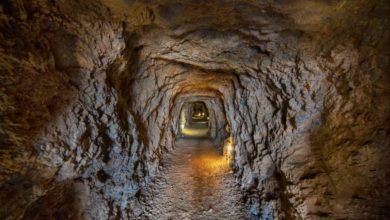
A legal settlement forced the South African government to facilitate the rescue of miners stranded underground for months. Authorities sealed the mine in October 2024 to deny access to illegal miners, inadvertently leading to at least 100 starvation deaths. The government initially refused to assist, arguing against rescuing individuals engaged in illegal activities. The move resorted to locals using makeshift methods to rescue miners, risking their safety in the absence of official intervention.
Illegal mining
Families of the miners, represented by individuals like Zinzi Tom, brought lawsuits to compel the government to act. This operation, costing about 12 million rand ($628,000), is a collaborative effort by the Department of Mineral Resources and the Minerals Council. Equipment and forensic pathology vans have been mobilized, signaling the urgency and scale of the operation. Estimates suggest over 1,000 miners may still be trapped, highlighting the difficulty of assessing the full scope of the crisis.
Illegal mining, also known as “zama-zama” mining in South Africa, refers to unregulated mining activities that are typically conducted without proper permits and often occur in abandoned mines. It is a significant issue in the country, with wide-ranging economic, social, and environmental implications. South Africa has about 6,000 abandoned mines, many exploited by informal miners (zama zamas), leading to economic losses of approximately 70 billion rand annually.

The crisis highlights the need for a coordinated national strategy to address abandoned mines and the broader socioeconomic issues fueling illegal mining. Beyond the immediate rescue, reforms in mine rehabilitation and stricter enforcement against illegal mining activities are crucial to prevent future tragedies.